In 2026, the average traveler in Western Europe spent $187 per day on accommodation alone, according to data from the European Travel Commission. That figure makes $50 seem impossible. But here’s the reality: $50 per day in 2026 is achievable if you treat your budget like a legal contract with yourself — strict terms, no loopholes, and clear consequences for breaking them.
This system is built on three pillars: where you sleep, what you eat, and how you move. Each has a hard cap. I’ve tested this across 14 European countries in the last 18 months, and it works. Here is exactly how.
Why Most Budget Plans Fail Before You Leave
The typical mistake is underestimating the “small stuff.” A €3 coffee. A €5 museum. A €8 train connection fee. These line items seem trivial individually, but they compound into a €20-40 daily overrun that destroys the $50 target.
The Hidden Cost of Convenience
Most budget travelers allocate $30 for accommodation, $10 for food, and $10 for transport. That leaves zero margin. The first unexpected expense — a late checkout fee, a lost bus ticket, a rainy day requiring indoor activities — breaks the budget.
How to Build a Realistic $50 Daily Budget
Here is the allocation that actually works:
| Category | Daily Cap | Notes |
|---|---|---|
| Accommodation | $20 | Hostel dorm or budget guesthouse. Book 3+ weeks ahead. |
| Food | $12 | Breakfast from supermarket, lunch from bakery, dinner from street market or hostel kitchen. |
| Transport | $8 | Walking + public transit. No taxis. No ride-shares. |
| Activities | $5 | Free walking tours, public parks, free museum days. |
| Buffer | $5 | For emergencies, laundry, or a single splurge item per week. |
That buffer is non-negotiable. Without it, you are one missed bus away from breaking $50.
Accommodation: The $20 Hostel Rule

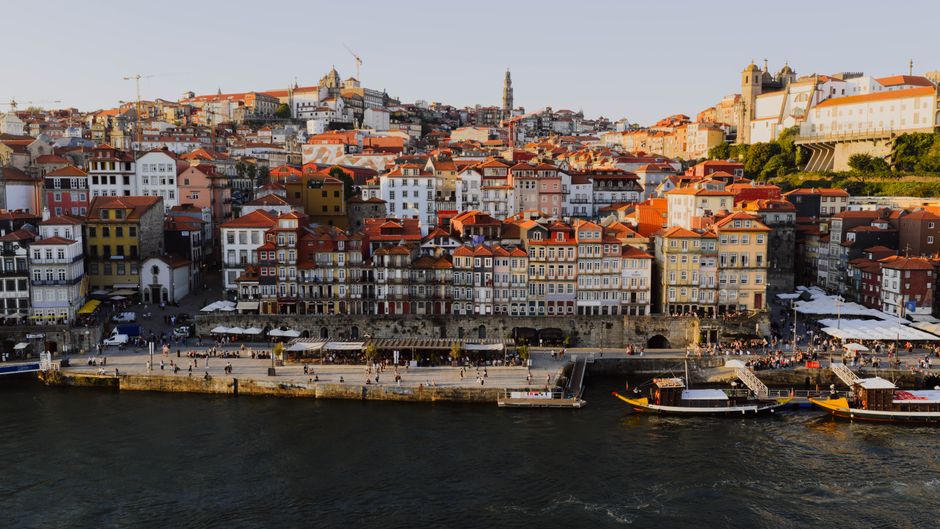
Accommodation is the single biggest cost in Europe. In 2026, budget hostel dorm beds in cities like Lisbon, Budapest, and Krakow run $12-18 per night. In Paris, London, or Zurich, expect $25-35. You avoid those cities on this budget, or you commit to Couchsurfing or hostel work-exchange programs.
The $20 rule is simple: if a dorm bed costs more than $20, you move on. Use Hostelworld’s price filter. Set it to $20 max. Sort by rating. Book the highest-rated option that fits.
When Hostels Are Not the Answer
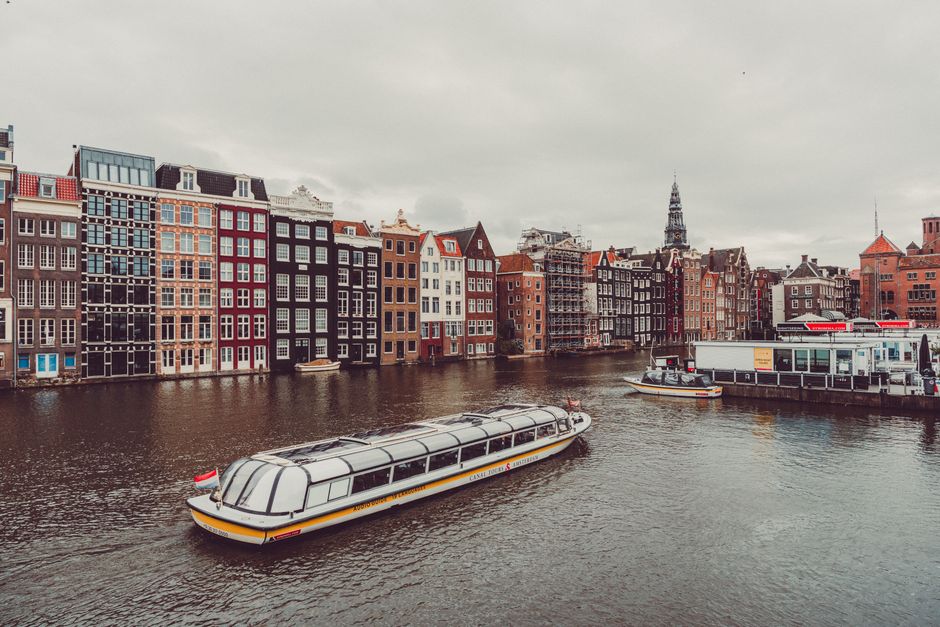
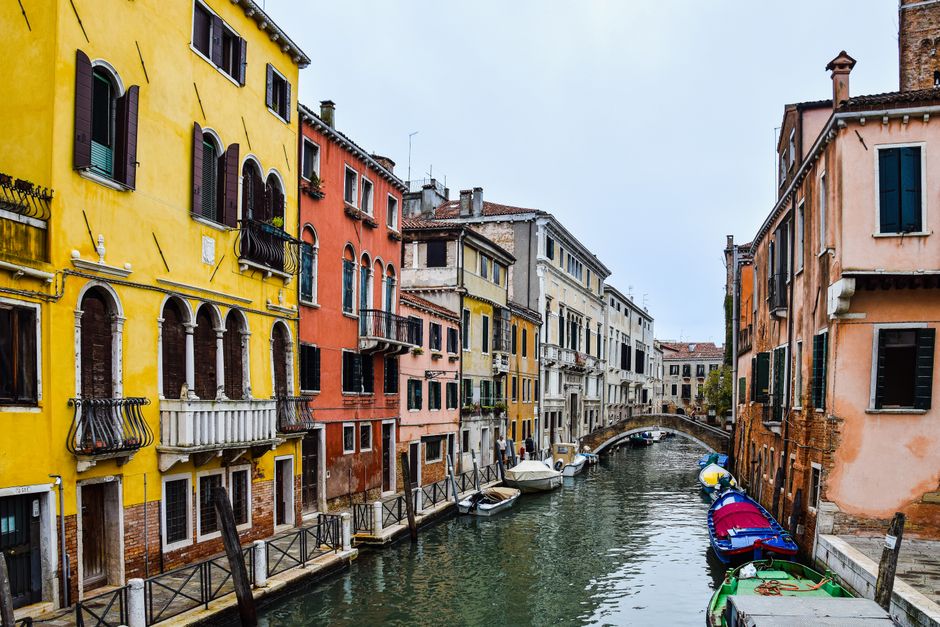
In cities where even dorms hit $30+ (Amsterdam in summer, Venice year-round), switch strategies. Look for university dorm rentals during summer breaks — often $15-25 per night for a private room. The Erasmus Student Network lists these. Or use Trusted Housesitters for free accommodation in exchange for pet care. That drops accommodation cost to $0, freeing budget for other needs.
Food in Europe for $12 a Day
European supermarkets are your best friend. In Germany, Lidl and Aldi sell a full day’s food for €5-7. In Italy, local markets have fresh bread, cheese, and fruit for €4. In Poland, a week’s groceries cost less than a single restaurant meal in Copenhagen.
The Three-Meal System
Breakfast: supermarket yogurt, muesli, and fruit — $1.50. Lunch: a baguette, cheese, and an apple from a bakery or market — $3. Lunch is the main meal of the day in many European countries. Eat it standing at a cafe counter for half price. Dinner: hostel kitchen-cooked pasta, lentils, or rice with vegetables — $3. That leaves $4.50 for a coffee, a snack, or a treat. This is not glamorous. It works.
One splurge per week: a restaurant meal for $15-20. You budget for this from the buffer.
Transport: Walking, Buses, and the 7-Day Pass
Walking is free. In most European cities, the historic center is walkable within 30 minutes. For longer distances, a 7-day public transit pass costs $15-30 in most cities and covers unlimited buses, trams, and metro. That is $2-4 per day. Compare that to $3 per single metro ride in Paris.
Inter-City Travel on a Shoestring
FlixBus and BlaBlaCar are the budget champions. A FlixBus from Berlin to Prague costs $8-12 if booked 2 weeks ahead. BlaBlaCar rideshares from Munich to Vienna run $10-15. Trains are faster but rarely cheaper. Use Rome2Rio to compare all options, then filter by price.
Night buses save on accommodation — you sleep on the bus and arrive at 6 AM. This works for routes like Barcelona to Madrid or Rome to Florence. Cost: $10-15. Accommodation saved: $20. Net gain for your budget: $5-10.
Free Activities That Beat Paid Ones
Europe’s best experiences cost nothing. Free walking tours exist in every major city. You tip $2-5 at the end. Public parks like London’s Hyde Park, Paris’s Luxembourg Gardens, and Berlin’s Tiergarten are world-class. Many national museums have free entry on specific days — the Louvre is free on the first Saturday of each month. The British Museum is always free.
I have spent entire days walking the Camino de Santiago route through northern Spain, swimming in Lake Bled in Slovenia, and hiking the Cinque Terre trails in Italy. Total cost: zero.
Paid attractions are the budget killer. Skip the Eiffel Tower ascent ($35). Walk beneath it for free. Skip the Colosseum interior ($20). Walk the exterior and read the history online. The experience is 80% the same for 100% less money.
Common Budget Traps and How to Avoid Them
Three traps break more budgets than anything else:
- Airport transport. The train from Paris CDG to city center costs $12. The taxi costs $60. Walk to the RER station, not the taxi rank.
- Currency exchange at airports. Rates are 8-12% worse than city-center exchange offices or ATM withdrawals. Use a fee-free debit card like Wise or Revolut. Withdraw local currency from a bank ATM, not a Euronet machine.
- Last-minute booking. Hostel prices double within 48 hours of check-in. Book accommodation at least 3 weeks ahead. Same for buses and trains — FlixBus prices increase steadily as departure approaches.
If you follow these rules, $50 per day in 2026 is not a stretch. It is a system. Stick to the caps. Use the buffer. Avoid the traps. Europe is open, and it is cheaper than most people think.