You book a flight to San José expecting $3 gallo pinto and hammocks on the beach. Then you land, grab a taxi to the hotel, and the meter reads $45 for a 20-minute ride. That’s the first surprise.
Costa Rica isn’t cheap. It’s not dangerous either, but it’s not the budget paradise Instagram sells. The “Pura Vida” lifestyle is real — but it comes with a price tag, some logistics, and a few hard lessons. Here’s what you actually need to know before you go in 2026.
What Does Pura Vida Actually Cost? The Real Budget Breakdown
“Pura Vida” means pure life. It also means you’ll pay $12 for a burger in Tamarindo. Let’s be direct: Costa Rica is the most expensive country in Central America. A budget traveler needs $60–$80 per day. Mid-range? $120–$180. Luxury? $250+.
Here’s where the money goes:
| Expense | Budget | Mid-Range | Luxury |
|---|---|---|---|
| Hostel dorm / night | $12–$20 | — | — |
| Private room (Airbnb or hotel) | $35–$55 | $70–$120 | $150–$300 |
| Meal (local soda) | $5–$8 | $10–$15 | $20–$40 |
| Shuttle bus (one region to next) | $25–$45 | — | — |
| Domestic flight (Sansa Airlines) | — | $60–$120 | — |
| National park entry | $15–$18 | $15–$18 | $15–$18 |
The biggest mistake? Thinking you can wing transportation. Taxis from the airport to San José city center cost $25–$45. Uber is cheaper ($15–$20) but only works in San José and a few tourist towns. For long distances, book a shared shuttle (Interbus or Caribe Shuttle) or fly Sansa Airlines between major regions.
The Two-Week Itinerary That Actually Works (No Regrets)
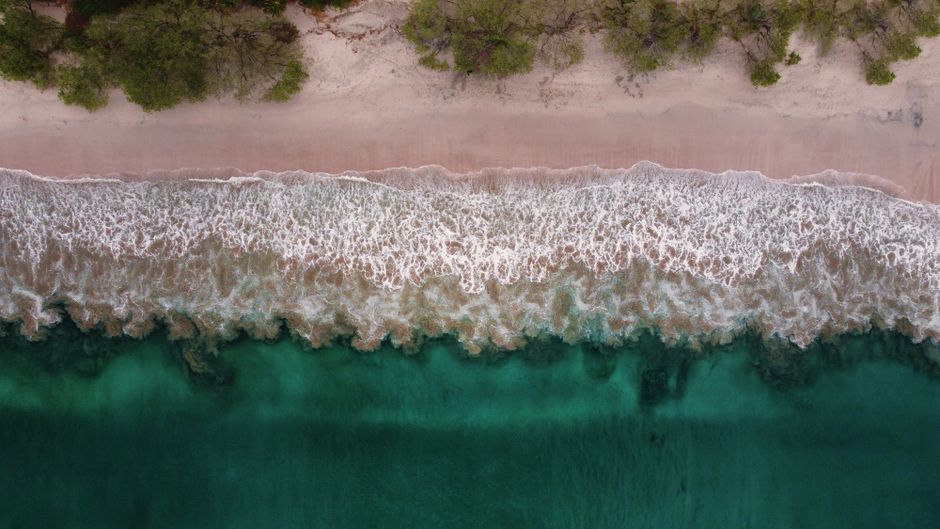
Most people try to do too much. Costa Rica is small on a map — about the size of West Virginia — but the roads are slow, winding, and often unpaved. Driving from La Fortuna to Monteverde takes 3.5 hours on a good day. On a rainy day? Longer.
This itinerary keeps you moving without burning out:
- Days 1–3: San José + Poás Volcano. Arrive, recover from jet lag. Visit Poás Volcano National Park (entry $15, crater is massive). Stay in Barrio Escalante for good restaurants.
- Days 4–6: La Fortuna / Arenal Volcano. Shuttle from San José ($25). Hot springs, hanging bridges, La Fortuna Waterfall. Don’t miss the free natural hot springs along the river.
- Days 7–8: Monteverde Cloud Forest. Shuttle from La Fortuna ($30). Night walks, zip-lining, coffee tour. Bring a rain jacket — it’s wet and cool.
- Days 9–11: Manuel Antonio. Shuttle from Monteverde ($45). Beach day, national park ($18), sloth spotting. Book park tickets online in advance — they sell out.
- Days 12–14: Tamarindo or Puerto Viejo. Shuttle from Manuel Antonio ($55). Surfing, sunset, relaxation. Tamarindo is busier; Puerto Viejo is more laid-back with Caribbean vibes.
This route uses 5 shuttles. Total transport cost: ~$180 per person. Worth every dollar compared to renting a car ($50/day + $20/day insurance + gas).
Five Mistakes First-Timers Make (And How to Avoid Them)
These are the problems nobody warns you about:
- Not booking national parks ahead. Manuel Antonio sells out 2–3 days in advance during peak season (Dec–April). Book on the SINAC website. Same for Poás and Arenal.
- Assuming credit cards work everywhere. Many sodas (small local restaurants) and market stalls take cash only. Colones are preferred. ATMs charge $3–$5 per withdrawal. Withdraw large amounts — 100,000 colones (~$190) — to minimize fees.
- Driving at night. Roads lack streetlights. Potholes, animals, and unmarked speed bumps appear suddenly. Stick to daytime driving.
- Forgetting insect repellent. Dengue and chikungunya are real. Use a Picaridin-based repellent (like Sawyer Picaridin, $10). DEET works too but melts synthetic clothes.
- Overpacking “gear.” You need hiking sandals (Chacos or Tevas), one light rain jacket, swim trunks, and three quick-dry shirts. That’s it. Leave the heavy boots at home.
When NOT to Go (And Why That Matters More Than You Think)
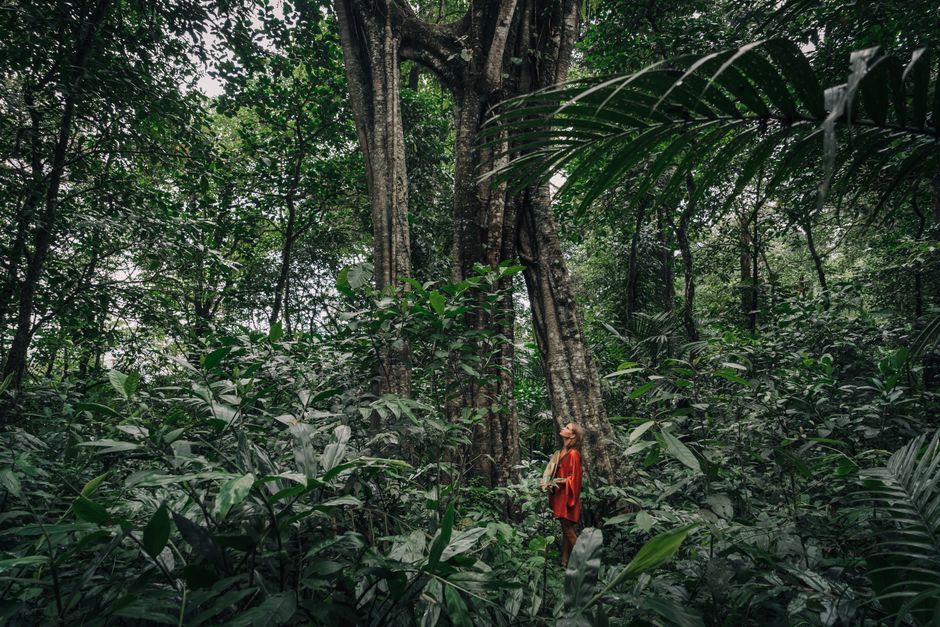
Green season (May–November) is cheaper — hotels drop 30–50%. But “green” means rain. Afternoon downpours are predictable: 2–5 PM daily. Roads turn to mud. Some tours (whitewater rafting, night walks) still run. Others (sunset catamaran trips) get cancelled.
If you want dry weather and guaranteed sun, pay the premium for December–April. If you’re on a tight budget and can handle wet hiking boots, go in September or October — the lowest prices of the year.
One hard rule: Avoid the week before Easter (Semana Santa). Everything is packed. Hotels triple prices. Local families flood the beaches. Not worth it.
The Only Packing List You Need
Forget the “travel wardrobe” articles. Here’s what fits in a 35L backpack:
- 2 pairs of quick-dry shorts
- 3 synthetic t-shirts (Uniqlo Airism or Patagonia Capilene)
- 1 long-sleeve sun shirt (Columbia PFG, $40)
- 1 rain jacket (Outdoor Research Helium, $150 — worth it)
- 1 pair of hiking sandals (Chaco Z/1, $100)
- 1 pair of trail runners (Merrell Moab Speed, $130)
- Swim trunks
- Buff or bandana (covers neck from sun)
- Headlamp (Black Diamond Spot 400, $35 — power goes out often)
- Dry bag (Sea to Summit Ultra-Sil, $25)
Laundry costs $3–$5 per kilo in most towns. You’ll wash clothes every 3 days. No need for more.
Is Pura Vida Worth It? Yes — But Know the Tradeoffs
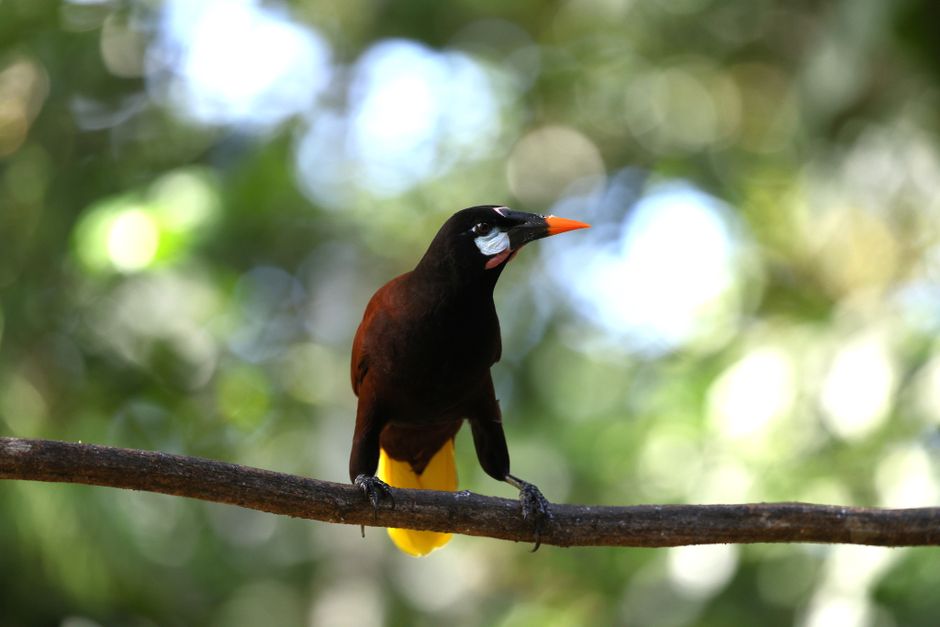
Costa Rica delivers on its promise: lush rainforests, active volcanoes, beaches on both coasts, and genuinely friendly people. But it’s not a backpacker’s bargain. It’s a mid-range adventure destination that demands planning and cash.
The alternative? If you want cheaper Central America, go to Nicaragua (same volcanoes, half the price) or Panama (better infrastructure, similar costs). If you want raw wildlife density, go to the Amazon in Peru or Brazil. But if you want safe, accessible, English-friendly adventure with decent food and hot showers — Costa Rica is the pick.
Book your shuttles early. Bring cash. Pack light. And when someone says “Pura Vida,” smile and nod. It means life is good — but you still have to pay for the bus.