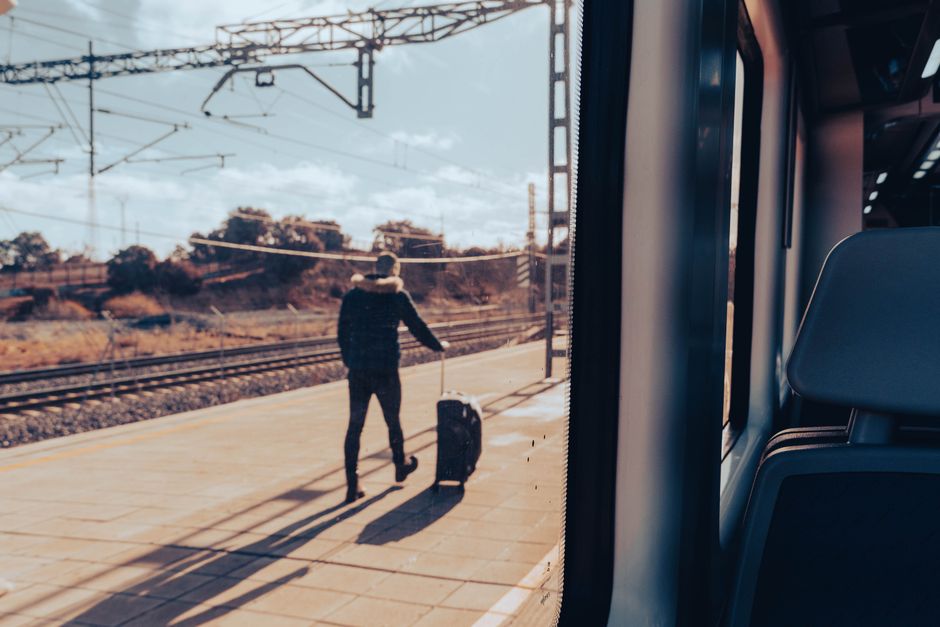
Most people think $50 a day in Europe means sleeping in train stations and eating plain bread. They’re wrong. But you can’t just show up and wing it either. The difference between a miserable trip and an incredible one comes down to three things: where you sleep, how you move, and what you eat. Here’s the exact playbook for 2026.
1. The Overnight Transport Trick That Wipes Out Accommodation Costs
Your biggest expense in Europe is a bed. A decent hostel dorm in Paris or Rome runs $35–$50 a night. That blows half your budget before you eat anything. The fix? Sleep while you travel.
Night trains and buses
Book a sleeper cabin on an overnight train. A couchette on the ÖBB Nightjet from Vienna to Venice costs around $25–$35. You get a real bed, arrive at 7 a.m., and save a night of accommodation. FlixBus runs overnight routes too — Munich to Milan for $15–$20. The seats recline enough to get real sleep if you bring a neck pillow and eye mask.
The FlixBus + Hostelwork combo
Use Rome2Rio to check all options. Filter by “overnight” and sort by price. Then book your arrival city hostel on Hostelworld for the next night only. You skip one night of lodging entirely. Do this twice a week and you save $70–$100.
2. The Only Food Strategy That Works (And It’s Not Cooking Every Meal)
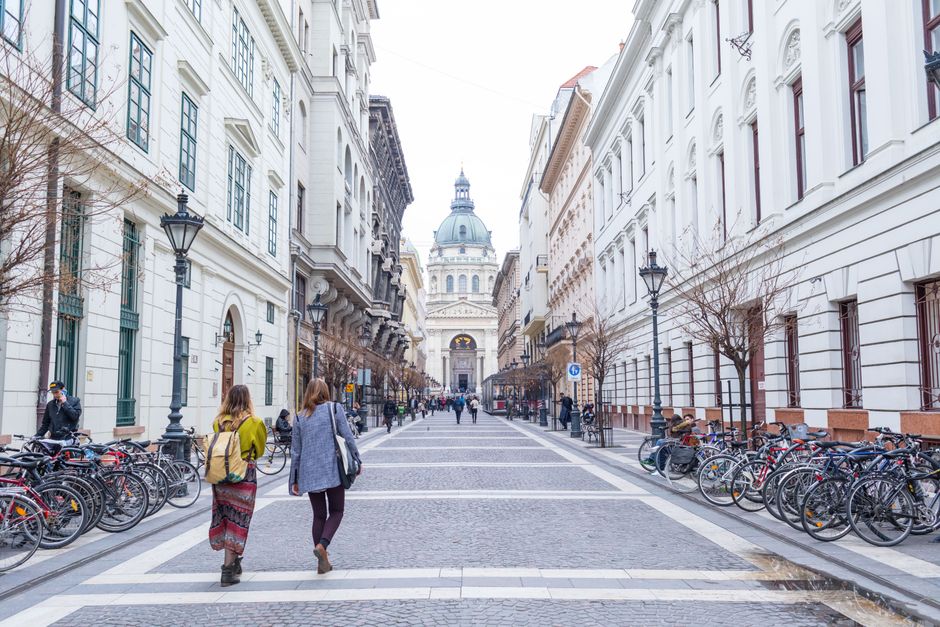
Everyone says “cook in hostels.” Great advice if you want to eat pasta with jar sauce for ten days. That gets old fast. Here’s what actually works.
Download Too Good To Go before you leave. This app lets bakeries, supermarkets, and restaurants sell unsold food at 50–70% off. In Berlin, I picked up a bag from a bakery for $4.50 — two pretzels, three pastries, and a sandwich. That covered breakfast and lunch. In Barcelona, a grocery store bag for $5.50 gave me cheese, fruit, bread, and juice for two meals.
Pair that with one strategy: eat your main meal at lunch. Most restaurants in Europe serve the same menu at lunch for half the dinner price. A pasta plate in Florence costs $8 at 1 p.m. and $16 at 8 p.m. Eat big at noon, snack for dinner.
3. Train vs. Bus vs. Plane: The Actual Math for 2026
| Route | Train (Eurail) | Bus (FlixBus) | Plane (Ryanair) | Winner |
|---|---|---|---|---|
| Paris → Amsterdam | $45 (3.5 hrs) | $20 (6 hrs) | $35 (1.5 hrs + airport time) | Bus — saves $25, no airport hassle |
| Rome → Florence | $25 (1.5 hrs) | $12 (3 hrs) | N/A (too short) | Train — speed wins |
| Berlin → Prague | $30 (4 hrs) | $15 (4.5 hrs) | $25 (1 hr + airport time) | Bus — same time, half price |
| London → Edinburgh | $60 (4.5 hrs) | $25 (8 hrs) | $30 (1.5 hrs + airport time) | Plane — cheapest + fastest |
Eurail passes only make sense if you take 4+ long-distance trains in 10 days. Otherwise, buy point-to-point tickets on Omio or Trainline. FlixBus is your best friend for routes under 6 hours.
4. The One Mistake That Wastes $20 a Day (And How to Avoid It)
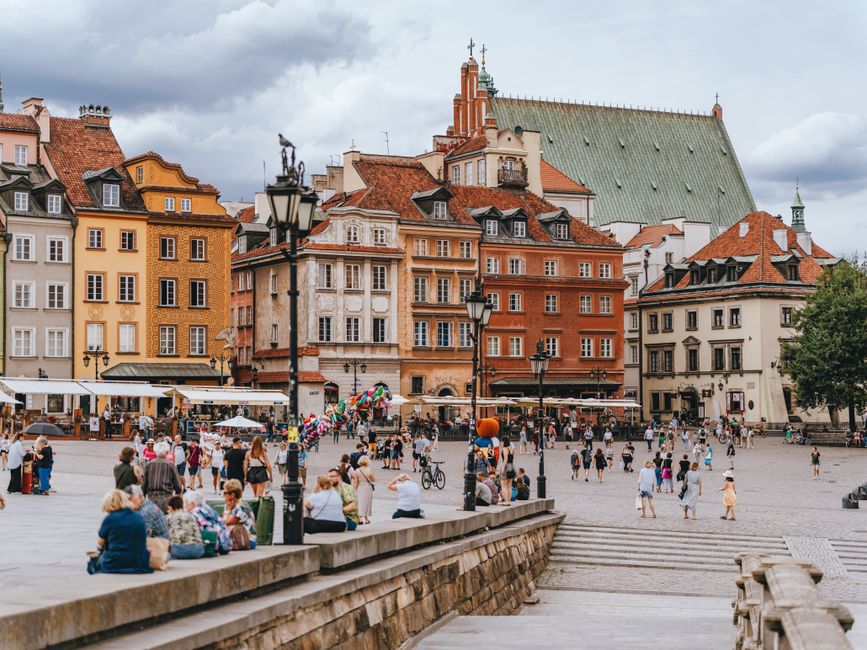
Tourist tax. Not the official one — the unofficial one. You walk into a cafe near the Eiffel Tower and pay $6 for a coffee. Walk 10 minutes to a side street and that same coffee costs $2. That’s a $4 difference every time you’re thirsty.
Same goes for water. European tap water is safe almost everywhere. Carry a reusable bottle. Fill it at hostel sinks or public fountains. Rome has hundreds of free water fountains — called nasoni — that run 24/7. Skip the $3 plastic bottles.
Another $10 killer: buying snacks at train station kiosks. A bag of chips and a soda costs $8 at the station. Buy those same items at a local supermarket for $3. Spend 5 minutes finding a Lidl or Aldi near your hostel. Stock up once every two days.
5. Free Walking Tours Are Good. The Tip Strategy Is Better.
Every city has free walking tours. You tip what you want — usually $10–$15. That’s fine. But the real hack is finding the student-led tours at local universities. In Krakow, the Jagiellonian University tourism club runs tours for $5 flat. No tip pressure. Same quality as the $20 commercial tours.
Also: check city tourism websites for free museum days. The Louvre is free on the first Friday of every month after 6 p.m. The British Museum is always free. The Uffizi in Florence is free on the first Sunday. Plan your itinerary around these dates and save $15–$25 per museum.
One more thing: city cards are usually a scam. The Paris Museum Pass costs $70 for two days. You’d need to visit four museums to break even. Most people visit two. Skip the card, pick two museums you really want, and pay the individual entry fees.
6. The Real Daily Budget Breakdown (How It Adds Up)
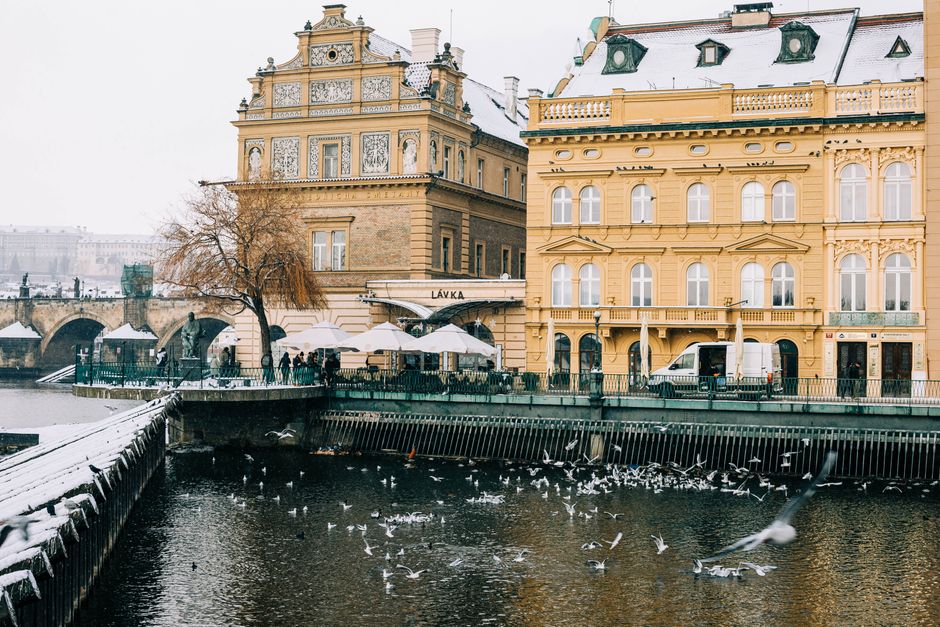
Here’s a realistic day in Budapest that hits $48 total.
- Accommodation: Hostel dorm — $15 (booked 3 weeks ahead on Hostelworld)
- Breakfast: Too Good To Go bakery bag — $4
- Lunch: Big bowl of goulash at a local étkezde (cafeteria) — $7
- Transport: 24-hour public transit pass — $5
- Activity: Free walking tour (tip $5) + free entry to Parliament visitors’ center — $5
- Dinner: Grocery store picnic by the Danube — $4 (bread, cheese, fruit, wine)
- Snack/drink: Local beer at a ruin pub — $3
- Misc: Water refill, bathroom fee, small souvenir — $5
Total: $48. You ate real food, saw real sights, and slept indoors. That’s not suffering. That’s traveling smart.
The single most important takeaway: book transport and accommodation at least two weeks ahead, eat your big meal at lunch, and use Too Good To Go daily. Do those three things and $50 a day feels like $80.