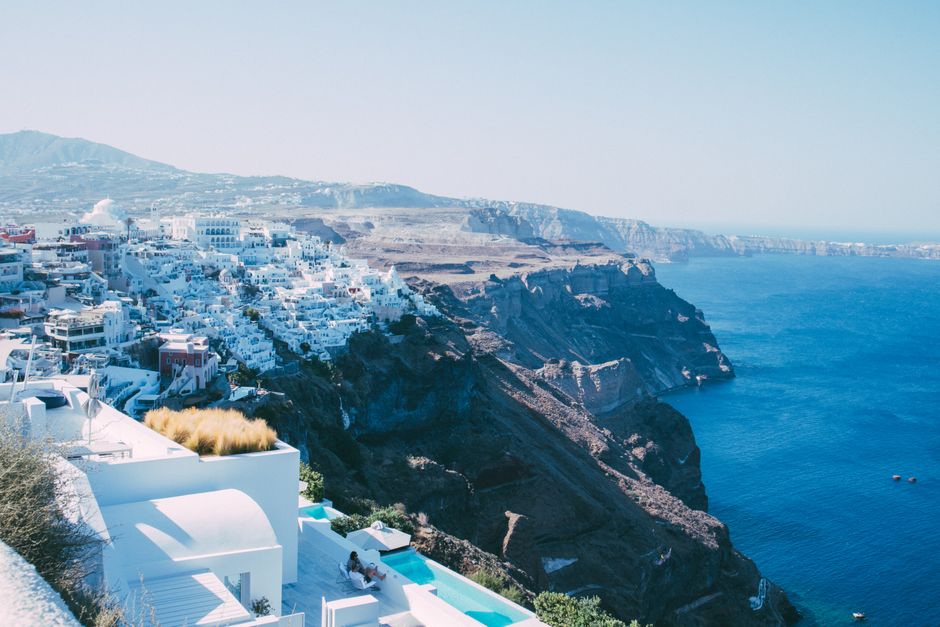
You’ve seen the photos. White walls, blue domes, sunset over the caldera. You booked the flight. Then you land and realize five thousand other people had the exact same idea. So the question isn’t whether Santorini is beautiful. It is. The question is whether it’s still worth it in 2026 when a single sunset photo requires elbowing through a crowd of strangers holding selfie sticks.
I’ve lived on this island for eight years. I run a small guesthouse in Fira. I’ve watched the crowds change, the prices climb, and the experience shift. Here’s what nobody tells you in the glossy travel guides.
The Real Crowd Problem: Numbers That Matter
In 2026, Santorini received roughly 2.5 million visitors. The island’s permanent population is about 15,000. That’s 166 tourists per resident, spread across a landmass of just 76 square kilometers. In peak season — June through September — cruise ships disgorge up to 17,000 passengers in a single day. Those passengers all want the same three things: the Oia sunset, the blue domes, and a table with a caldera view.
What does that mean in practical terms? The narrow pathway through Oia, which is barely two meters wide in places, becomes a single-file human traffic jam from 5 PM to 9 PM every evening. The famous blue dome viewpoint has a queue. An actual queue. People wait 20 minutes to take a photo that looks identical to the one taken by the person in front of them.
But here’s the nuance the Instagram reels miss: the crowds are not evenly distributed. They cluster in three places — Oia, Fira, and the cable car port. The rest of the island remains surprisingly quiet, even in August. I can walk from my house in Pyrgos to the local bakery at 9 AM and pass maybe five people. The problem isn’t the island. The problem is that 90% of visitors only see 10% of the island.
What a Local Actually Pays vs. What You’ll Pay
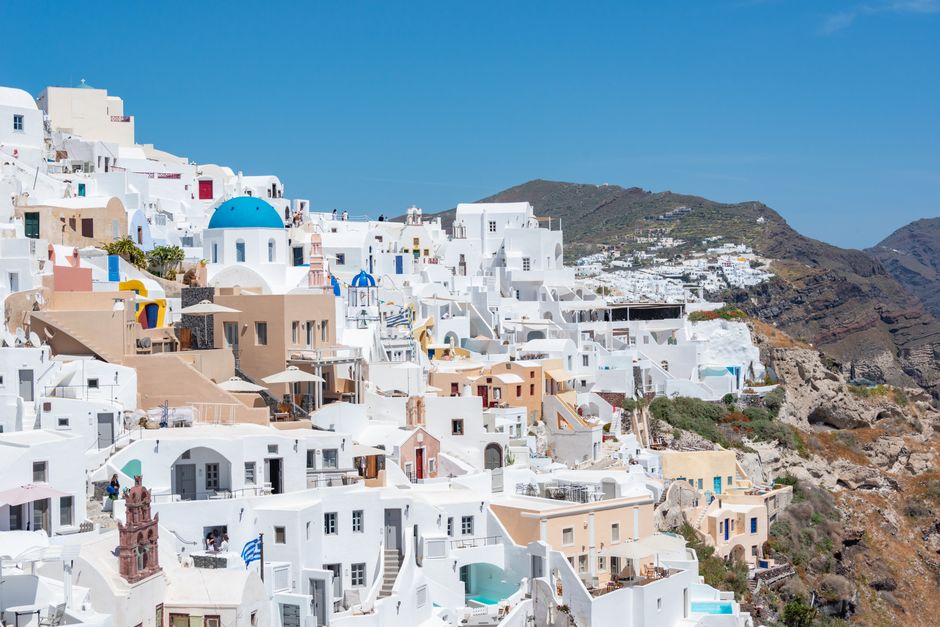
Let’s talk numbers, because the pricing structure on Santorini has become genuinely absurd in 2026. A sunset-view table at a restaurant in Oia now runs €45–€80 per person for a main course. The same dish, prepared by the same caliber of chef, costs €18–€25 in Megalochori or Akrotiri, a 15-minute drive away. A cocktail at a caldera-view bar in Fira starts at €22. The exact same cocktail at a beach bar in Perissa costs €9.
Accommodation follows the same pattern. A cave house in Oia with a private plunge pool and caldera view will set you back €600–€1,200 per night in July 2026. A renovated traditional house in Pyrgos, with a shared pool and a 10-minute drive to the caldera, costs €120–€180 per night. You are not paying for better quality. You are paying for the view, and the view is free to see from the public footpath.
| Item | Oia/Fira Price (2026) | Other Village Price (2026) | Markup |
|---|---|---|---|
| Sunset dinner for two | €90–€160 | €40–€60 | 2.5x |
| Cocktail | €22–€28 | €8–€12 | 2.5x |
| Hotel room (peak season) | €500–€1,200/night | €100–€200/night | 5x |
| Car rental (daily) | €70–€110 | €45–€60 | 1.8x |
| Bottle of local wine (restaurant) | €45–€70 | €20–€30 | 2.2x |
Bottom line: the “Santorini is expensive” complaint is really a “staying in Oia or Fira is expensive” complaint. The island has a two-tier pricing system, and most visitors never realize they can opt into the cheaper tier without sacrificing anything except the ability to walk from their hotel to the sunset viewpoint.
The Sunset Lie Everyone Believes
The Oia sunset is not the best sunset on the island. There, I said it.
Locals don’t watch the sunset in Oia. We watch it from the lighthouse at Akrotiri, from the Santo Wines terrace in Pyrgos, or from the beach at Vlychada. The sun sets over the same sea, the same sky, the same colors. The only difference is you’re not standing shoulder-to-shoulder with three thousand people who are all watching the same thing through their phone screens.
In 2026, the Oia sunset has become a performance. People clap when the sun disappears below the horizon. They clap. As if the sun did something remarkable by setting, as it has done every day for 4.5 billion years. If that sounds charming to you, go. If it sounds exhausting, skip it and watch from a vineyard instead. You’ll get a better photo, a better glass of wine, and you won’t need to arrive an hour early to claim a spot on a wall.
When Santorini Is Actually Worth It
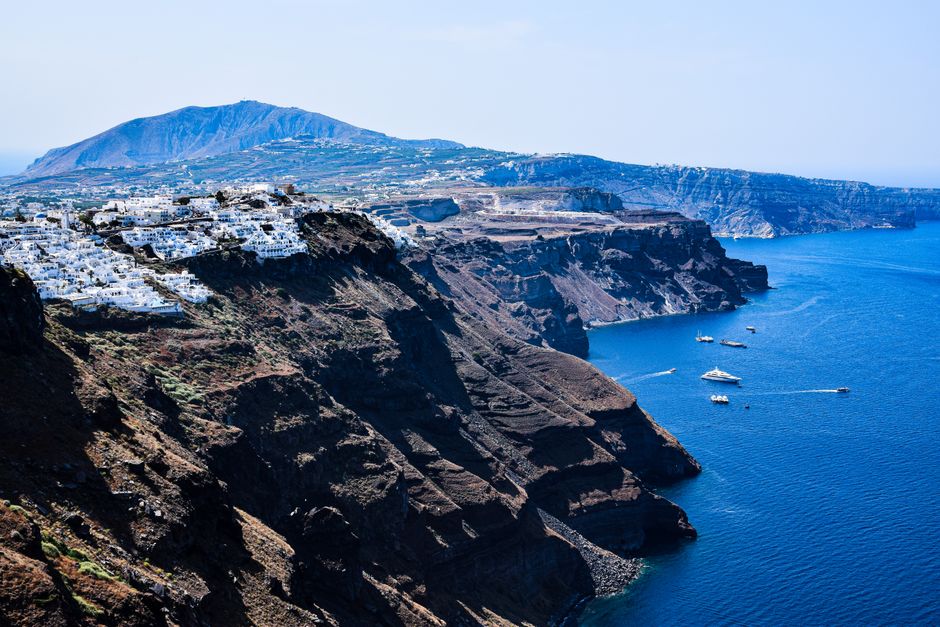
Here’s the part where I defend the island I call home.
Santorini in late October through early April is a different place entirely. The cruise ships stop coming. The crowds vanish. The weather remains pleasant — average daytime highs of 16–20°C in November and March. You can walk the caldera path from Fira to Oia and pass maybe a dozen other hikers over the entire 10-kilometer route. The light is softer, the prices are lower, and the locals actually have time to talk to you.
My guesthouse drops from €180 per night in August to €70 per night in November. The restaurants that are still open — and yes, many close for the winter — serve better food because the chefs aren’t cooking 400 covers a night. The wine tasting at Domaine Sigalas or Venetsanos Winery becomes a conversation rather than an assembly line.
If you want the classic Santorini experience without the crowds, book for the last two weeks of October or the first two weeks of April. You’ll get 80% of the weather, 100% of the views, and maybe 10% of the crowds. That’s the tradeoff. You can have Santorini with crowds and heat, or Santorini with peace and mild weather. You cannot have both in 2026.
The Alternatives Nobody Talks About
If you’re looking at Santorini and feeling uneasy about the crowds, you have options. The Cyclades has over 20 inhabited islands, and several offer a similar experience with a fraction of the stress.
- Milos — Volcanic landscapes, white rock formations at Sarakiniko, and better beaches than Santorini. A cave house in Klima costs €90–€150 per night in peak season. The island has no cruise ship port, which means no daily tourist tsunamis.
- Paros — Traditional Cycladic villages like Lefkes and Naoussa, excellent food, and a ferry connection that makes island-hopping easy. Prices run 40–50% lower than Santorini across the board.
- Folegandros — What Santorini felt like 30 years ago. Quiet, rugged, stunning cliffside chora, and a total absence of souvenir shops selling mass-produced “Greek” trinkets.
- Naxos — The largest Cycladic island, with mountain villages, ancient ruins, and beaches that stretch for kilometers. A family of four can eat well for €50 here. That same meal in Oia costs €120.
My honest recommendation: if you’ve never been to Greece, go to Naxos or Paros first. See if you actually like the Cycladic island experience before committing to the most crowded, most expensive version of it. Santorini is not the entry-level Greek island. It’s the advanced level, and it punishes you if you don’t know what you’re doing.
How to Do Santorini Right in 2026
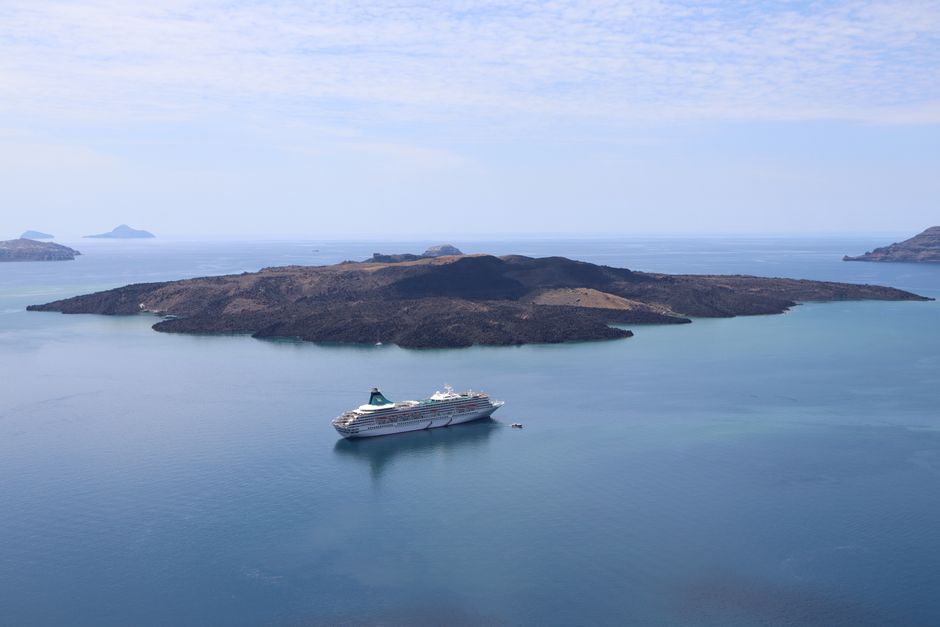
If you’re going anyway — and I understand, the pull is strong — here’s the local playbook for making it work.
Where to Stay
Skip Oia and Fira. Book in Pyrgos, Megalochori, or Akrotiri. These villages are quieter, cheaper, and more authentic. You’ll need a rental car, but you needed one anyway. The island’s bus system is overcrowded in peak season and useless after 11 PM.
When to Go
If you can only travel in summer, go in early June or late September. The weather is nearly identical to July and August — average highs of 26–28°C — but the crowd density drops by roughly 40%. If you can travel in shoulder season, October and April are the sweet spots.
What to Skip
The cable car in Fira. The donkey ride up the caldera path. The “authentic Greek night” dinner shows. The Oia sunset, unless you’re there in November. All of these are overcrowded, overpriced, or both, and none of them represent what life on this island is actually like.
What to Do Instead
Hike the Fira-to-Oia caldera path at 7 AM, before the heat and the crowds. Swim at Vlychada Beach, which is quieter than the famous Red Beach and has better sand. Book a wine tasting at Hatzidakis Winery, a small family operation that produces some of the best Assyrtiko on the island. Eat at To Psaraki in Vlychada, where the seafood is caught the same morning and the prices are half of what you’d pay in Fira.
The Verdict: Overrated or Misunderstood?
Santorini is not overrated. It’s mismanaged. The island’s beauty is real. The caldera view is genuinely one of the most spectacular sights in the Mediterranean. The problem is that the tourism machine has concentrated millions of visitors into a handful of narrow streets and convinced them that standing in a queue for a photo is part of the experience.
If you come to Santorini expecting a peaceful Greek island getaway, you will be disappointed in peak season. If you come expecting a dramatic volcanic landscape, excellent wine, and some of the best food in the Cyclades — and you’re willing to stay outside the tourist bubble and rent a car — you’ll have a genuinely wonderful time.
The island doesn’t need fewer visitors. It needs smarter visitors. Be one of them.
Quick summary:
- Most overrated: Oia sunset, Fira cable car, caldera-view restaurants
- Most underrated: Pyrgos village, Akrotiri lighthouse, Vlychada Beach, November weather
- Best value: Stay in Megalochori or Pyrgos, eat in local tavernas, travel in October or April
- Best alternative islands: Milos, Naxos, Paros, Folegandros
- Final call: Worth it if you plan smart. Skip it if you only have two days and expect to see everything.