

Medellín produces 1.2 kg of waste per person per day — one of the highest rates in Latin America. That hit me harder after I spent a week here solo. I wanted a hostel that wasn’t just cheap and social, but one that actually tried to offset its footprint. So I stayed at five different eco-hostels over three weeks in early 2026. Here’s what I found.
What Makes a Hostel Actually Eco-Friendly in Medellín?
Greenwashing is real. A bamboo sign and a recycling bin don’t cut it. I looked for three things: verified energy or water conservation systems, a clear waste-reduction policy, and local sourcing for food and materials.
In Medellín, the best hostels do more than compost. They harvest rainwater, use solar panels, and pay staff fair wages. The worst ones just slap a leaf emoji on their website.
I walked through each property, checked their water heaters, asked about cleaning chemicals, and looked at their supplier lists. Here’s what actually passed the test.
Los Patios Hostel: The Solar-Powered Social Hub

Los Patios in El Poblado runs on solar-heated water year-round. I confirmed this with their maintenance manager. They also have a greywater recycling system that waters the rooftop garden. That garden supplies about 40% of the herbs and greens for their communal kitchen.
Dorm Experience for Solo Travelers
I booked a 6-bed female dorm for 5 nights. Price: $18 USD/night. The beds have heavy privacy curtains, individual reading lights, and lockable under-bed storage. The locker fits a 40L backpack. WiFi speed: 45 Mbps down — fast enough for video calls.
The free walking tour leaves at 10 AM daily. It’s led by a local guide who grew up in Comuna 13. That’s the kind of authenticity I was after.
What I’d Change
The common area gets loud past 10 PM. If you need early sleep, bring earplugs. Also, the solar system works fine in rainy season — I tested it during a four-day downpour — but the water pressure drops when multiple showers run at once.
Viajero Hostel Medellín: The Budget-Friendly Green Option
Viajero surprised me. I expected a chain hostel with token eco-efforts. Instead, they’ve eliminated single-use plastics entirely. No plastic water bottles. No straws. Their bar uses glass bottles and reusable cups. They compost 80% of their organic waste through a local partnership with a community farm in Santa Elena.
Dorm beds start at $14 USD/night. That’s the cheapest genuinely green option I found. The 8-bed mixed dorm has solid metal bunks — no creaking. Each bed has a personal fan, which matters because Medellín is warm year-round (average 22°C / 72°F).
Solo Traveler Vibe
Viajero runs a “family dinner” every night at 7 PM. Cost: $8 USD for a three-course meal made from local ingredients. I met travelers from 12 countries in one sitting. The staff organizes group trips to Guatapé and the coffee region, and they use local guides who speak English and Spanish.
One catch: the WiFi in the back dorm rooms is weak. I had to work from the lobby. But the lobby has a co-working corner with power strips and good lighting.
Casa Kiwi Hostel: The Quiet Eco-Retreat
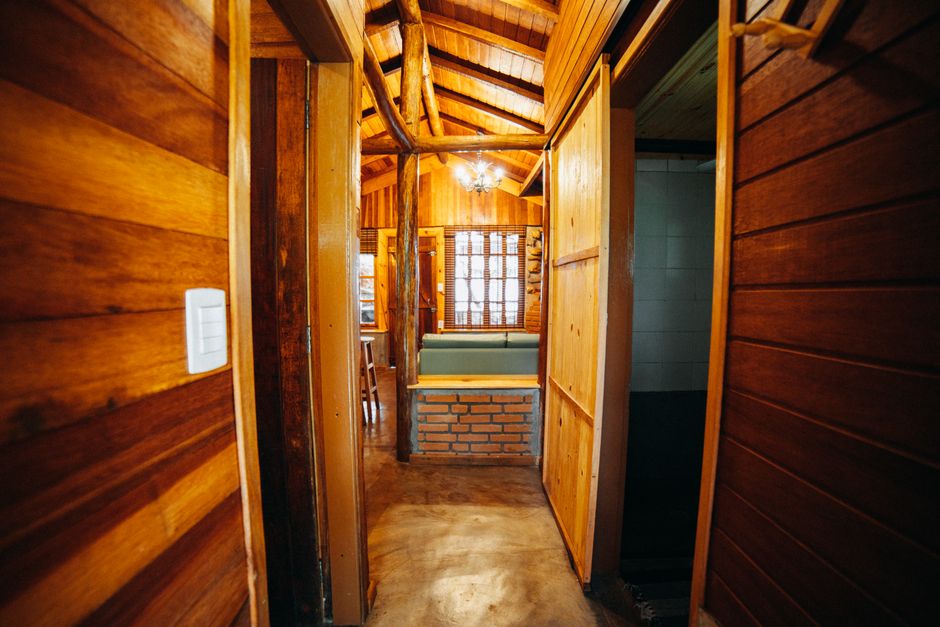
If you want social but not party, Casa Kiwi is the pick. Located in Laureles, it’s quieter than El Poblado. They use low-flow showerheads and dual-flush toilets that cut water use by about 35% compared to standard fixtures. The building has natural cross-ventilation, so air conditioning is rarely needed.
I stayed in a 4-bed female dorm for $16 USD/night. The beds are custom-built from reclaimed wood. Each one has a reading lamp, a shelf, and a privacy curtain. The mattress was medium-firm — better than most hostels I’ve tried.
Best for Digital Nomads
WiFi is consistent at 30 Mbps throughout the property. The rooftop terrace has shade and power outlets. I worked there for three afternoons without issue. The kitchen is well-equipped with induction cooktops (energy-efficient) and labeled recycling bins.
The hostel organizes weekly volunteer sessions at a local river cleanup project. I joined one. We pulled out 12 bags of trash in two hours. That’s the kind of direct impact I appreciate.
Selina Medellín: The Premium Eco-Hybrid
Selina is a chain, but their Medellín location does some things right. They’ve partnered with a local nonprofit to offset carbon emissions from guest stays. They also run a zero-waste bar program — fruit peels become syrups, coffee grounds become body scrubs for the on-site spa.
Dorm beds start at $22 USD/night. That’s the highest price on this list. But the amenities match: coworking space, gym, yoga classes, and a pool.
Is It Worth the Premium?
For solo travelers who need reliable workspaces and don’t mind spending more, yes. The WiFi is the fastest I tested — 60 Mbps. The dorms have electronic keycards, individual lockers, and USB ports at every bed. The bathrooms are cleaned twice daily.
But the social vibe is more curated than organic. You won’t get the same spontaneous community as at Los Patios or Viajero. It feels more like a hotel with hostel elements. If you want genuine backpacker energy, look elsewhere.
Comparison Table: Medellín’s Best Eco-Hostels for Solo Travelers
| Hostel | Price/Night (Dorm) | Key Eco Feature | Best For |
|---|---|---|---|
| Los Patios | $18 USD | Solar water + greywater recycling | Social travelers who want real community |
| Viajero Medellín | $14 USD | Zero single-use plastic + 80% compost | Budget solo travelers who still want green |
| Casa Kiwi | $16 USD | Low-flow fixtures + reclaimed wood furniture | Quiet digital nomads and introverts |
| Selina Medellín | $22 USD | Carbon offset + zero-waste bar program | Remote workers who need premium amenities |
Common Mistakes Solo Travelers Make with Eco-Hostels
I made these mistakes so you don’t have to.
Mistake 1: Assuming “eco” means quiet. Los Patios is eco-certified and loud until midnight. Casa Kiwi is eco-certified and silent by 10 PM. Read recent Google reviews for noise levels, not just the sustainability badge.
Mistake 2: Not checking the location. El Poblado hostels cost more but put you near nightlife and restaurants. Laureles is cheaper and quieter but farther from tourist sites. I walked 25 minutes from Casa Kiwi to the nearest metro station. That adds up.
Mistake 3: Forgetting that eco-hostels often have stricter rules. Viajero doesn’t allow outside alcohol to reduce waste. Selina charges a fine for leaving lights on. Read the house rules before booking. Some travelers find these policies annoying.
Mistake 4: Ignoring the water situation. Medellín has excellent tap water. You don’t need plastic bottles. Every hostel on this list provides filtered water stations. Bring a reusable bottle and save money.
When Not to Choose an Eco-Hostel in Medellín
Here’s the honest part. Don’t book an eco-hostel if your top priority is partying. The best party hostels in Medellín — like The Wandering Paisa or Black Sheep — don’t focus on sustainability. They have plastic cups, loud music until 3 AM, and minimal recycling. If you want to rage, go there. If you want to sleep well and feel good about your footprint, pick from my list above.
Also, don’t expect luxury. Eco-hostels often have simpler furnishings, shared bathrooms, and fewer amenities. I paid $22/night at Selina and still shared a bathroom with five people. If you want a private room with en-suite, you’ll pay $50-70/night at any of these places.
For solo travelers who value genuine sustainability, community, and a solid night’s sleep, Los Patios is my top pick for 2026. It balances eco-credibility with social energy better than any other option I tested.