
A common misconception about hostels suggests they are exclusively for young, cash-strapped backpackers seeking a party. This isn’t true. While hostels offer incredible value and opportunities for socializing, the landscape has broadened significantly. Today’s hostels cater to a diverse demographic, from digital nomads to families, offering everything from vibrant communal areas to private rooms with ensuite bathrooms. Booking an ‘XOXO’ style hostel, meaning one focused on a lively, social atmosphere, requires specific attention to detail beyond just finding the cheapest bed. It’s about selecting an experience that aligns with your travel goals.
Dispelling the Hostel Myth: Beyond Bunks and Backpacks
Many travelers hesitate to book hostels, picturing only cramped dorms and constant noise. This outdated image ignores the evolution of the modern hostel. Today, you’ll find boutique hostels resembling trendy hotels, eco-friendly hostels focused on sustainability, and even luxurious ‘poshtels’ with amenities like rooftop pools and gourmet kitchens. The key is to understand the vast spectrum available. You can absolutely find a comfortable, quiet, and enriching stay in a hostel, even if you prefer a private room.
Understanding Hostel Types: From Party to Peaceful
Hostels are not one-size-fits-all. Some genuinely lean into the party scene, offering pub crawls, nightly events, and a high-energy environment. These are often explicitly marketed as ‘party hostels.’ On the other hand, many hostels prioritize a relaxed atmosphere, focusing on cultural immersion, quiet workspaces, or simply a friendly, laid-back vibe. For a social, ‘XOXO’ experience, look for terms like ‘social atmosphere,’ ‘communal dinners,’ ‘events calendar,’ or ‘friendly staff’ in reviews and descriptions. Conversely, if peace is your priority, seek out ’boutique,’ ‘design,’ or ‘quiet zone’ mentions.
Private Rooms vs. Dorms: Cost and Comfort Breakdown
The choice between a private room and a dorm greatly impacts both cost and comfort. A private room in a hostel often comes with its own bathroom, offering hotel-like privacy at a fraction of a typical hotel price. These are ideal for couples, friends traveling together, or solo travelers who value personal space. Dorms, while cheaper, vary widely. You can find small 4-bed dorms with individual curtains and reading lights, or larger 12-bed dorms that are more basic. Consider factors like bed layout (bunk vs. single), storage (lockers are a must), and the availability of shared facilities. For a social experience, a dorm can be great for meeting people, but a private room gives you a quiet retreat when needed. Expect a private room to cost 2-3 times more than a dorm bed, ranging from $40-$100 per night depending on location and hostel quality.
Picking Your Platform: Major Booking Sites Compared

Choosing the right booking platform is the first concrete step in securing your perfect hostel. While many sites list hostels, their focus, inventory, and user experience differ significantly. Using the appropriate platform ensures you see relevant options and trustworthy reviews.
| Platform | Primary Focus | Pros for Hostels | Cons for Hostels |
|---|---|---|---|
| Hostelworld | Hostels & Budget Accommodation | Largest hostel inventory, extensive user reviews specifically for hostels, social features (chat with other guests) | Limited hotel options, prices sometimes slightly higher than direct bookings, can feel overwhelming |
| Booking.com | All Accommodation Types | Huge inventory across hotels, hostels, apartments; strong filter options; often competitive pricing; trusted reviews | Hostel-specific filters can be less granular than Hostelworld, reviews less focused on hostel social aspects |
| Agoda | Asia-focused, All Accommodation | Excellent for Asian destinations, competitive pricing, good for deals | Less comprehensive outside of Asia, user interface can be less intuitive for hostel searching compared to Hostelworld |
| Google Maps | Location-based Search | Excellent for visualizing location, nearby attractions, public transport; direct links to booking sites | Not a booking platform itself, relies on external links, limited review filtering for hostel-specific criteria |
For finding that ideal social ‘XOXO’ hostel, Hostelworld remains the top recommendation due to its specialized focus and community features.
Hostelworld: The Backpackers’ Hub
Hostelworld is purpose-built for hostel bookings. Its strength lies in its vast database of hostels worldwide and its robust review system, which lets past guests rate aspects crucial to hostel life, such as atmosphere, security, and staff. They also offer features like group chat for arriving guests, fostering social connections before you even check in. When using Hostelworld, pay close attention to the ‘Atmosphere’ rating in particular. It provides a quick indicator of how lively or quiet a place tends to be.
Booking.com and Agoda: Broader Accommodation Ranges
While not hostel-specific, Booking.com offers an extensive selection and is often competitive on price. Its strength is in offering a wider array of accommodation types, so if you’re mixing hostels with hotels, it’s a convenient one-stop shop. Agoda, similarly broad, shines particularly in Asian markets, often featuring exclusive deals. When using these platforms for hostels, ensure you apply appropriate filters like ‘hostel’ or ‘dormitory room’ and scrutinize review sections for mentions of social activities or communal spaces, as their general reviews might not highlight these aspects.
Essential Filters for Your XOXO Experience
Finding the right hostel isn’t just about price; it’s about matching the vibe to your expectations. Using specific filters on booking platforms will save you time and help you pinpoint places that truly offer that social ‘XOXO’ atmosphere.
- Location and Public Transport Access: Always check the hostel’s proximity to public transport hubs (metro, bus stops) and major attractions. An ‘XOXO’ hostel thrives on being accessible. Use Google Maps to verify travel times and routes. A hostel might be cheap, but if it takes an hour to reach the city center, you’ll spend more on transport and less time socializing. Aim for locations within a 5-10 minute walk of a public transport stop.
- Reviews, Ratings, and Real Photos: This is non-negotiable. Don’t just look at the overall star rating. Read recent reviews to gauge current conditions and atmosphere. Pay attention to comments on ‘social events,’ ‘friendliness of staff,’ and ‘ease of meeting people.’ Many travelers leave specific feedback about the social scene. Also, scrutinize photos – look for vibrant common areas, bars, or organized activity boards, which are clear indicators of a social hostel. Filter for reviews mentioning ‘social’ or ‘party’ if that’s your goal, or ‘quiet’ if you need balance.
- Specific Amenities: Look for amenities that foster social interaction. A common area, a bar, a shared kitchen, or a pool table are great signs. Many social hostels list ‘free walking tours,’ ‘pub crawls,’ or ‘communal dinners’ as part of their offerings. These are prime opportunities to connect with fellow travelers. Also, check for essentials like free Wi-Fi (a given, but crucial), lockers, and 24-hour reception.
- Room Type and Gender-Specific Dorms: Decide if you prefer a mixed dorm, a female-only dorm, or a private room. Many platforms allow you to filter for these options. Female-only dorms provide an added layer of comfort for many solo female travelers. For an ‘XOXO’ experience, mixed dorms can often be more vibrant, but prioritize your comfort level.
The Art of Timing: When to Book for Best Prices

Booking your hostel at the right time can significantly impact both availability and price, especially if you’re targeting popular ‘XOXO’ style hostels known for their vibrant social scene. These places, precisely because they are sought after, tend to fill up quickly and adjust prices based on demand. Spontaneity is part of travel, but a little planning goes a long way when it comes to securing a good deal and your preferred hostel.
Peak Seasons and Event-Specific Bookings
Travel during peak seasons (e.g., summer in Europe, winter holidays, major festivals) inherently means higher demand and thus higher prices. If your travel dates coincide with a major event like Oktoberfest in Munich, Carnival in Rio, or a specific music festival, you absolutely must book your hostel far in advance. For such events, popular hostels can be fully booked six months to a year out. Prices for a single dorm bed can inflate from $25 to over $100 per night. Outside of major events, for general peak season travel, aim to book at least 2-3 months ahead. This window typically offers the best balance of availability and reasonable pricing. Waiting too long means you’ll be left with less desirable options or significantly higher costs.
Last-Minute Deals: A Risky Reward?
The allure of a last-minute deal is strong, but it’s a high-risk strategy for hostel bookings, especially for social ‘XOXO’ hostels. These hostels often run at high occupancy because of their popularity. While you might occasionally snag a cancellation or a promotional rate a day or two before check-in, relying on this means you might compromise significantly on location, amenities, or atmosphere. The best, most social hostels are rarely available at the last minute. This strategy is only viable if you are extremely flexible with your accommodation preferences and don’t mind staying further out from the action or in a less-rated establishment. The average price saving for last-minute bookings, if any, often doesn’t outweigh the potential downsides of settling for a less-than-ideal stay. Booking 3-4 weeks in advance for regular travel provides a sweet spot for good prices and ample choice.
What to Pack for Your Hostel Stay
- Padlock: Essential for securing your locker. Many hostels offer lockers, but you often need your own padlock. A combination lock is convenient.
- Travel Towel: Microfiber towels dry quickly and take up minimal space. Hostels sometimes charge for towel rental.
- Earplugs and Eye Mask: Absolute lifesavers in dorms. Even considerate roommates can make noise, and morning light can be disruptive.
- Flip-flops/Shower Shoes: For shared bathrooms, these are a hygiene must.
- Reusable Water Bottle: Eco-friendly and saves money on bottled water. Many hostels have water refilling stations.
- Portable Charger/Power Bank: Outlets can be limited or far from your bed. Keep your devices charged.
- Small Daypack: For daily excursions, leaving your main luggage secure in your locker.
- Headlamp or Small Reading Light: So you don’t disturb others if you need light in a dorm after hours.
Security Essentials
Your padlock is your primary defense. Beyond that, consider a small, flexible travel safe or a money belt for valuables like passports, spare cash, and important documents. Always keep your main backpack or suitcase locked when you leave the dorm, even if it’s just for a quick shower. Use the designated lockers provided by the hostel. Most lockers are sturdy and reliable, but they only work if you use them consistently.
Comfort Items
Aside from earplugs and eye masks, consider a travel pillow for better sleep. A silk or cotton sleeping bag liner can also add a layer of personal hygiene and comfort, especially in older hostels. Small toiletries, like a travel-sized shampoo and body wash, are more convenient than full-sized bottles in shared bathrooms. A universal adapter is crucial for charging electronics, especially if you’re traveling internationally.
Common Booking Pitfalls to Avoid
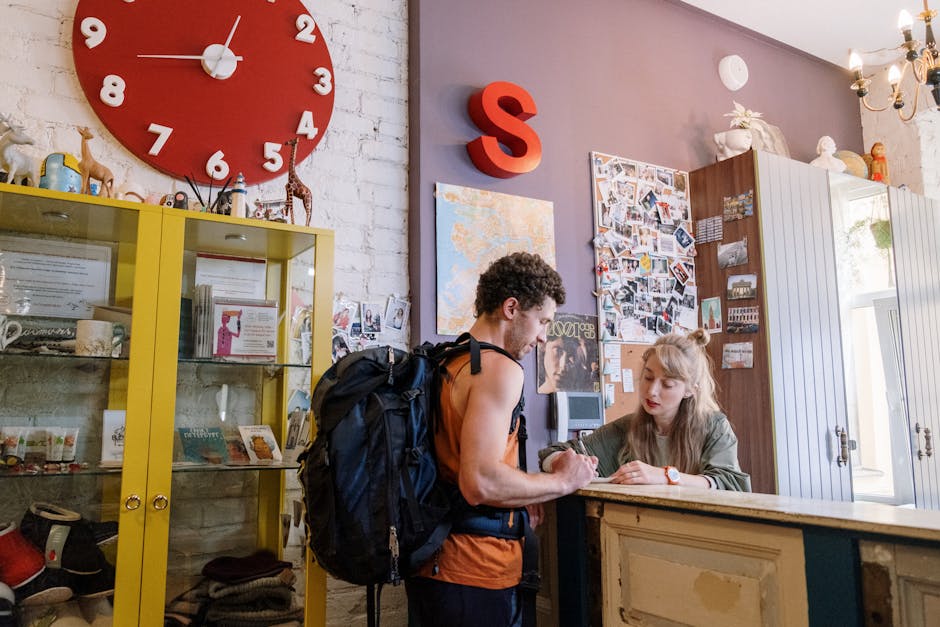
Booking a hostel, especially one with a specific social vibe, can present its own set of challenges. It’s easy to overlook crucial details that could detract from your experience. Being aware of these common missteps allows you to proactively ensure a smooth and enjoyable ‘XOXO’ stay. My strongest recommendation is to always read the fine print and recent reviews before confirming your booking.
Misinterpreting Room Descriptions
Do not assume anything about a room type based solely on its name. A “private room” in one hostel might mean a simple room with a shared bathroom down the hall, while in another, it could be a luxurious suite with an ensuite. Similarly, a “6-bed dorm” might be a spacious room or a tight squeeze. Always check the square footage if provided, and critically examine the photos. Look for explicit mentions of “ensuite bathroom” if that’s important to you. If a description is vague, look for supplementary information in reviews or on the hostel’s direct website. Many travelers make the mistake of booking based on price alone, only to find the room configuration isn’t what they expected.
Ignoring Cancellation Policies
Travel plans can change unexpectedly. Failing to understand the cancellation policy before booking is a common pitfall. Some hostels offer “free cancellation” up to a certain point (e.g., 24 hours before check-in), while others have stricter “non-refundable” policies or charge a significant fee for changes. Always check if your booking is flexible, especially if your itinerary isn’t set in stone. This detail is usually clearly stated on the booking platform during the reservation process. Paying a slightly higher rate for a flexible cancellation policy can often save you money and stress in the long run if your plans shift.
Your First Night: Settling In and Socializing
After a successful booking, your arrival sets the tone. Once checked in, take a moment to explore the common areas. Many social hostels have notice boards, bars, or lounges designed to encourage interaction. Introduce yourself to staff or other travelers. Engaging in the hostel’s organized activities, like free walking tours or communal dinners, is the easiest way to break the ice and immediately tap into that ‘XOXO’ energy you sought during your booking process.
For your next ‘XOXO’-style adventure, prioritize booking through Hostelworld at least three weeks out, specifically filtering for ‘social atmosphere’ and checking recent reviews mentioning staff interactions and communal activities before confirming your reservation.”