Most travelers searching for an all-inclusive resort on Oahu are working from a Caribbean model: one flat price covering room, meals, drinks, and activities. That model barely exists in Hawaii, and on Oahu specifically it is nearly nonexistent. This article explains what is actually available, what the term means in a local context, and how to get the closest experience without overpaying.
Why Oahu Has Almost No True All-Inclusive Resorts
Hawaii’s tourism economy developed differently from Mexico or the Dominican Republic. The state never built a resort corridor designed around gated, self-contained properties. Restaurants, food trucks, local cafes, and independent tour operators are everywhere. Visitors are expected to leave the hotel. Local regulations and high labor costs also make unlimited food and beverage packages financially risky for hotels. A single Mai Tai at a Waikiki beachfront bar runs $16 to $22. Multiply that by unlimited pours and the math falls apart quickly.
There is also a cultural factor. Oahu is not a manufactured resort destination. It is a real city — Honolulu — with neighborhoods, commuting residents, and a food scene that locals actually eat at. An all-inclusive model would wall visitors off from exactly what makes Oahu worth visiting. The state has actively discouraged the kind of mega-resort development seen in Cancun or Punta Cana.
The closest thing to a genuine all-inclusive experience is a package booked through a third-party operator like Costco Travel or Pleasant Holidays. These bundles combine airfare, hotel, rental car, and sometimes daily breakfast or a resort credit. But they are not all-inclusive in the strict sense. You still pay for most meals and drinks out of pocket.
What Oahu Resorts Actually Offer Instead
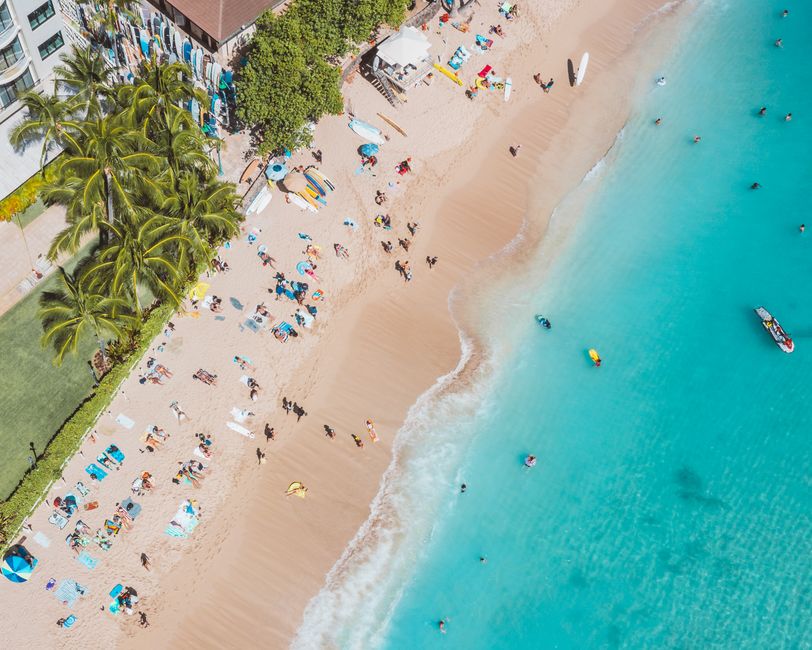
Several properties market themselves as full-service resorts with enough on-site amenities that some guests never leave. That is not the same as all-inclusive, but it can feel similar if you book the right room category and add the right packages.
Turtle Bay Resort (North Shore)
Turtle Bay sits on 1,300 acres at the northern tip of Oahu. It underwent a major renovation and is now operated under the Ritz-Carlton umbrella. The property has seven beaches, two golf courses, horse stables, and multiple restaurants. Room rates start around $450 per night for a standard ocean-view king. The resort offers a bed and breakfast package that bundles daily breakfast for two, which is the closest thing to a meal-inclusive rate on the island. But lunch, dinner, and drinks are still separate. A dinner for two at Alaia, the on-site restaurant, runs $120 to $180 without alcohol.
Aulani, A Disney Resort & Spa (Ko Olina)
Aulani is the most self-contained resort on Oahu. It has a massive water park, a private snorkeling lagoon, character dining, and multiple pools. Standard rooms start around $550 per night. Disney does not offer an all-inclusive rate, but it does sell a dining plan to Disney Vacation Club members on eligible stays. The plan covers a set number of meals and snacks per person per day. For a family of four, the cost is roughly $180 to $220 per day depending on the tier. That is the most structured meal-inclusive option on Oahu, and it only works for DVC members booking through Disney.
Hilton Hawaiian Village Waikiki Beach Resort
This is the largest resort on Oahu, with over 2,800 rooms across multiple towers. It has five pools, 20 restaurants and bars, and its own lagoon. Rates start around $280 per night. Hilton does not offer an all-inclusive package, but the property participates in Hilton Honors promotions that sometimes include daily food and beverage credits. Those credits typically range from $25 to $50 per day depending on status and booking channel. That covers breakfast, not much more.
What You Should Know Before Booking a “Package”
Several travel websites advertise “Oahu all-inclusive vacations.” What they are actually selling is a bundled package: flight plus hotel plus rental car, sometimes with a luau or snorkeling tour thrown in. Read the fine print carefully. In most cases, meals and drinks are not included. The word “all-inclusive” is being used as a marketing term, not a literal description.
Here is what a typical package actually includes:
- Round-trip airfare from a mainland gateway
- 5 to 7 nights at a mid-range Waikiki hotel like the Outrigger Reef or Sheraton Waikiki
- One luau ticket per person (usually the Paradise Cove Luau, ~$140 value)
- A rental car or airport transfer
- Daily resort fee (often $35 to $50 per night, added at checkout)
What it does not include: breakfast, lunch, dinner, alcohol, parking, or activities beyond the single luau. A couple booking a $2,800 package will still spend $150 to $250 per day on food and drinks. That is the hidden cost nobody mentions.
Cost Comparison: Package vs. Booking Separately
The table below shows a realistic 6-night Oahu trip for two adults in 2026, comparing a bundled package to booking the same components independently. Prices are mid-range and reflect average rates, not peak holiday pricing.
| Expense | Bundled Package | Booked Separately |
|---|---|---|
| Round-trip airfare (LAX to HNL) | Included | $900 ($450 per person) |
| 6 nights at Sheraton Waikiki | Included | $2,100 ($350 per night with fees) |
| Rental car (6 days) | Included | $420 ($70 per day) |
| 1 luau (2 tickets) | Included | $280 |
| Food and drinks (6 days) | Not included (~$1,200) | Not included (~$1,200) |
| Total out-of-pocket | $4,000 approx. | $3,700 approx. |
Booking separately is often cheaper because packages build in a convenience premium. The package is not a scam. It is just not the deal it appears to be. If you want simplicity and one booking reference, the package has value. If you want the lowest price, book separately.
Better Alternatives to an All-Inclusive on Oahu
If you want the all-inclusive feeling without the all-inclusive price, here are three strategies that work better on Oahu.
Book a condo resort with a full kitchen
The Ko Olina Beach Villas and the Waikiki Banyan both offer condo-style units with full kitchens. A one-bedroom at the Waikiki Banyan runs $180 to $220 per night. You can cook breakfast and lunch, then eat dinner out. That cuts food costs by 40 to 50 percent compared to eating every meal at restaurants. The tradeoff is no daily housekeeping and no room service. For families, the savings usually outweigh the convenience loss.
Use a resort credit package
The Prince Waikiki offers a “Stay and Dine” package that includes a $100 daily dining credit. That covers breakfast and part of dinner at their on-site restaurants. The package costs about $40 more per night than the base rate, so you are effectively getting $100 of food for $40. That is the closest thing to a genuine meal-inclusive deal on Oahu right now. The Outrigger Reef Waikiki Beach Resort runs a similar promotion seasonally.
Stay at Aulani without being a DVC member
You can book Aulani through Disney directly or through rental sites like David’s Vacation Club Rentals. Renting DVC points brings the nightly rate down to $300 to $380 for a deluxe studio, compared to $550 for a standard hotel room. You still pay for food out of pocket, but the on-site water park, lagoon, and kids’ club are included. A family can spend three days without leaving the property. That is the all-inclusive experience in everything but name.
The Verdict on Oahu All-Inclusive Resorts
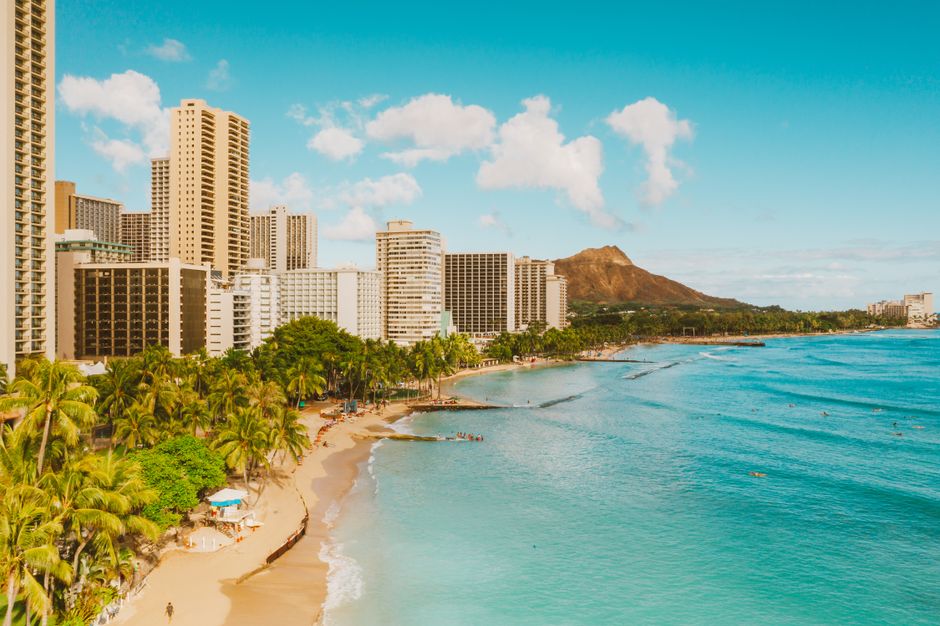
Oahu does not have a true all-inclusive resort. It has resorts that feel all-inclusive if you book the right package, and it has third-party bundles that use the term loosely. For most travelers, the better move is to book a condo with a kitchen or a resort with a dining credit. You will spend less and eat better. Oahu’s food scene — from garlic shrimp trucks in Kahuku to udon counters in Waikiki — is too good to be locked inside a hotel meal plan anyway.
The all-inclusive model works where the surrounding area offers little beyond the resort. Oahu is the opposite of that. The island is the attraction. The resort is just where you sleep. That is not a flaw. It is the reason people keep coming back.