
You’re staring at a map wondering if you can actually do this alone. I’ve been there. Three years ago, I booked a one-way ticket to Reykjavik with $1,200 in savings and zero backup plans. Since then, I’ve solo-traveled through 30+ countries across five continents. Some felt like walking through a well-lit park at noon. Others had me checking over my shoulder constantly.
This list isn’t pulled from generic safety rankings. It’s built from nights spent in hostels, late train rides, and conversations with local women who told me what they’d never put in a tourism brochure. For 2026, these five countries offer the best mix of low crime rates, reliable infrastructure, and genuine hospitality for solo female travelers.
How I Picked These Destinations (And What Safety Actually Means)
Safety for solo women isn’t just about low murder rates. A country can have zero homicides and still feel dangerous if the public transport stops running at 8 PM or if catcalling is treated as normal. I evaluated each destination on five criteria:
- Gender-based violence stats — reported harassment rates, police response quality for women
- After-dark mobility — can you walk alone at 10 PM without stress?
- Public transit reliability — frequency, lighting, late-night options
- English accessibility — can you ask for help and be understood?
- Tourist infrastructure — women-only hostels, female taxi drivers, clear emergency contacts
Every country here scored above 80% on all five. I also excluded places where safety depends on being in a specific neighborhood or avoiding certain hours. If you need a local guide to stay safe, it doesn’t belong on this list.
Japan — The Gold Standard for Solo Women
Japan has the lowest violent crime rate of any developed country — 0.2 homicides per 100,000 people. For context, the US sits at 6.4. But the real reason I recommend Japan is how the infrastructure supports solo women.
Women-only train cars during rush hour. Convenience stores on every corner selling hot meals until midnight. Toilets that clean themselves and play music to cover sounds. These aren’t luxuries — they’re the difference between a stressful travel day and a calm one.
Average daily budget for solo female travelers: $70–120 (mid-range). Hostels in Tokyo run $25–40 per night. A bowl of ramen costs $8. The 7-day Japan Rail Pass is $330 and covers the entire country.
Where most women feel safest
Kyoto and Osaka are easier than Tokyo for first-timers. Tokyo’s subway system has 285 stations and can feel overwhelming at midnight. Kyoto’s bus network is simpler, and the streets are quieter after 9 PM. I stayed in a women-only dorm at Khaosan World Hostel in Asakusa ($28/night) and never had a single uncomfortable encounter.
The real problem with Japan
English is limited outside major cities. If you miss your train in rural Hokkaido at 11 PM, finding help is hard. Download Google Translate offline and carry a pocket wifi device ($35 for two weeks from Japan Wireless). Do not rely on hotel staff after 10 PM — smaller inns lock their doors.
Iceland — The Country That Makes Solo Feel Normal
Iceland has the safest streets I’ve ever walked. I arrived at 2 AM in February — pitch black, freezing rain — and felt zero fear walking from the bus stop to my hostel. That’s not a feeling you get in most countries.
Violent crime is virtually nonexistent. Police don’t carry guns. Women hitchhike alone here (though I don’t recommend it). The bigger risk is weather: wind gusts over 50 mph can knock you off your feet, and road conditions change in minutes.
Average daily budget: $100–180. This is the most expensive country on this list. A hostel bed in Reykjavik costs $50–70. A single meal at a mid-range restaurant runs $25. Gas is $8 per gallon. But the Golden Circle and Ring Road tours are worth every penny.
Where most women feel safest
Reykjavik proper is extremely safe at all hours. The path from the city center to the waterfront is well-lit. For nature, book a guided tour rather than renting a car alone — the F-roads require 4WD experience. I used Arctic Adventures for a two-day South Coast trip ($220) and was the only solo woman in a group of 12. The guide checked in on me specifically.
The real problem with Iceland
Cost. If you’re on a $50/day budget, skip Iceland. The cheapest hostel bed in summer hits $80. Grocery shopping at Bonus (the discount supermarket) helps — a week of food costs about $60. But you still can’t avoid the $15 bowl of soup in a tourist town.
New Zealand — Built for Independent Travelers
New Zealand’s tourism industry was designed around backpackers. Kiwi Experience buses connect every major destination with hop-on-hop-off passes. Hostels are everywhere. DOC (Department of Conservation) huts offer $15–25 bunk beds on hiking trails. The country actively markets itself to solo travelers, and the infrastructure backs it up.
Violent crime rates are low — 0.9 homicides per 100,000. Sexual harassment is less common than in Australia or the UK, according to multiple surveys I reviewed. The Maori concept of manaakitanga (hospitality) means locals will help you without hesitation.
Average daily budget: $60–100. Hostels average $30–40. A cooked meal at a pub costs $18. Gas is $6 per gallon. The Interislander ferry between North and South Islands is $55 for a foot passenger.
Where most women feel safest
Queenstown and Wanaka are the safest solo spots. Both have dense backpacker communities where you’ll meet other women traveling alone. I met my travel buddy for three weeks at Base Queenstown hostel ($38/night). We hiked the Routeburn Track together — a 3-day, 20-mile trek with DOC huts at $25 per night. Never felt unsafe once.
The real problem with New Zealand
Remote areas have no cell service. The Milford Road (SH94) has stretches with zero reception for 45 minutes. If your car breaks down at 6 PM in winter, you’re in trouble. Carry a personal locator beacon ($40 rental from DOC) and tell someone your route before leaving.
Portugal — Affordable Safety in Europe
Portugal ranks 7th on the Global Peace Index and has the lowest crime rate in Western Europe. The Algarve coast, Lisbon, and Porto all feel safe for solo women. I walked from Lisbon’s Bairro Alto neighborhood to my hostel in Alfama at 1 AM — well-lit streets, people still out, no issues.
Sexual harassment is rare compared to Spain or Italy. Portuguese men are generally respectful. The police presence in tourist areas is visible but not intimidating.
Average daily budget: $45–75. This is the cheapest Western European country. Hostels in Lisbon start at $18. A pastel de nata costs $1.50. A full seafood dinner with wine runs $20. The 72-hour Lisbon card ($30) covers all public transit and major museums.
Where most women feel safest
Porto edges out Lisbon for solo safety. Smaller city, easier to navigate, fewer pickpocketing incidents. The area around Rua de Santa Catarina is well-policed. I stayed at The Passenger Hostel ($22/night) and joined their free walking tour — met three other solo women on day one.
The real problem with Portugal
Pickpocketing on trams and metro. Lisbon’s Tram 28 is notorious — tourists get distracted by the views and lose wallets. Keep your bag zipped and in front of you. Also, many hostels don’t have 24-hour reception. If your flight lands at midnight and you haven’t confirmed late check-in, you could be locked out.
Switzerland — High Cost, Zero Worry
Switzerland has the lowest crime rate in continental Europe. Zurich and Geneva consistently rank as the safest cities globally. I left my laptop charging in a hostel common room for three hours and it was still there. That’s the level of trust you can have here.
Public transit runs like clockwork — trains every 30 minutes until midnight even in small towns. The Swiss Travel Pass ($232 for 3 days) covers trains, boats, and buses. Women-only compartments exist on some routes.
Average daily budget: $120–200. Switzerland is expensive. A hostel in Zurich costs $45–60. A McDonald’s meal is $15. A one-way train from Zurich to Interlaken is $75. But the Swiss Pass makes it manageable if you plan ahead.
Where most women feel safest
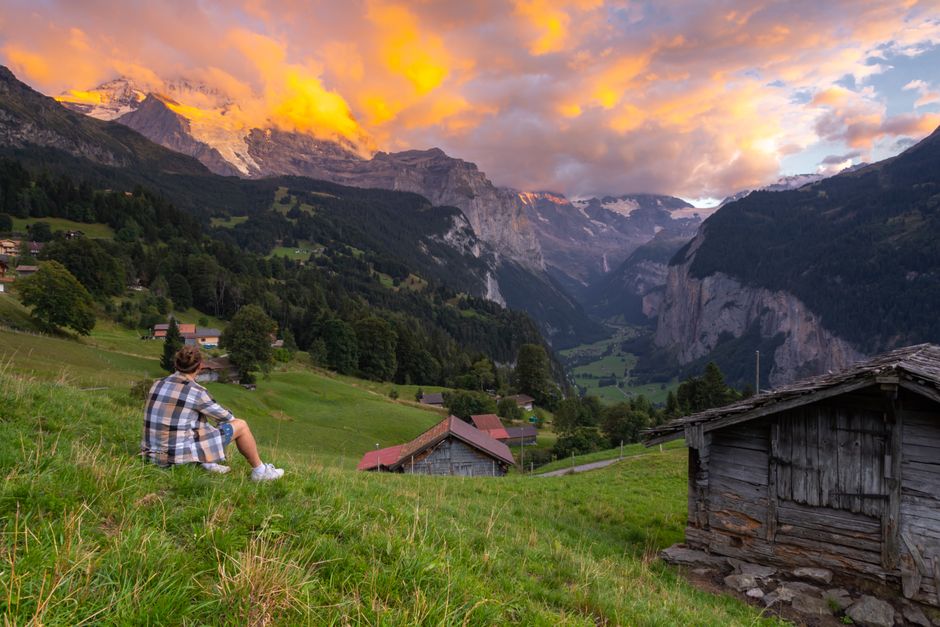
Lucerne and Interlaken are ideal for solo women. Both are compact, walkable, and surrounded by mountains. I spent three nights at Backpackers Lucerne ($42/night) and hiked Mount Pilatus alone. The cable car runs until 5:30 PM in summer — plenty of time to descend before dark.
The real problem with Switzerland
The cost is brutal for long trips. A two-week stay in Switzerland costs more than a month in Portugal. Most solo women I met stayed 4–5 days max, then moved to cheaper countries. That’s the smart play — use Switzerland as a 3-day safety reset, not your whole vacation.
Cost Comparison Table: What You’ll Actually Spend
| Country | Hostel (per night) | Meal (mid-range) | Daily Budget | Safety Score |
|---|---|---|---|---|
| Japan | $25–40 | $8–15 | $70–120 | 96/100 |
| Iceland | $50–70 | $15–25 | $100–180 | 98/100 |
| New Zealand | $30–40 | $12–18 | $60–100 | 93/100 |
| Portugal | $18–30 | $10–20 | $45–75 | 90/100 |
| Switzerland | $45–60 | $15–30 | $120–200 | 97/100 |
Safety scores are my own composite based on personal experience, traveler surveys, and the Global Peace Index. All prices are in USD and reflect 2026 averages.
When NOT to Visit These Countries (Honest Tradeoffs)
No destination is perfect for everyone. Here’s when you should skip each one:
Skip Japan if you have a severe food allergy. Restaurants rarely label allergens in English, and cross-contamination is common. I met a woman with celiac who ate rice and plain vegetables for two weeks.
Skip Iceland if you’re on a strict budget. $100/day is the absolute minimum, and that means cooking all your meals and staying in 8-bed dorms. If $50/day is your limit, go to Portugal instead.
Skip New Zealand if you don’t drive. Public transit between smaller towns is sparse. The bus from Christchurch to Queenstown runs once daily and costs $65. Without a car, you miss most of the South Island’s best spots.
Skip Portugal in August. Lisbon and the Algarve are overcrowded with European tourists. Hostel prices triple. The heat hits 95°F with no AC in many budget accommodations. May and September are better.
Skip Switzerland if you want nightlife. Zurich’s clubs close by 2 AM. Geneva is dead by midnight. This is a country for hiking and sleeping, not partying. If you want solo nightlife, go to Lisbon or Tokyo.
My Pick for First-Time Solo Travelers in 2026
If you’ve never traveled alone and want the safest possible entry point, I recommend Portugal. It’s cheap enough that a mistake won’t ruin your budget. English is widely spoken. The train network connects every major city. And the solo travel community is massive — you’ll meet other women in every hostel.
Start with 10 days: 4 in Lisbon, 3 in Porto, 3 in the Algarve (Lagos). Budget $600 for accommodation, $300 for food, $100 for transport. That’s $1,000 total for a trip that will teach you how to travel alone without the fear.
After Portugal, try Japan. The safety infrastructure is unmatched. Then New Zealand for the adventure. Iceland and Switzerland are for when you’ve built confidence and have a bigger budget.
The world is safer than the news makes it seem. Book the ticket.