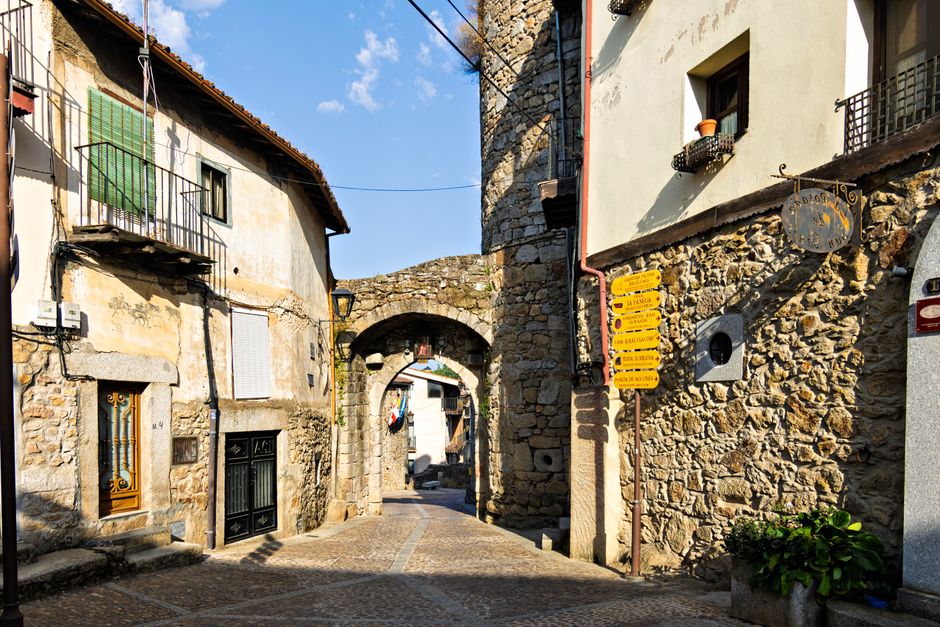
You’ve done the Amalfi Coast. You’ve waited in line for bistecca in Florence. Now you want a road trip where the food is still the point, but the parking lots aren’t full of rental Fiats with German plates. This guide covers the Italian regions where a meal can still surprise you.
The Route That Makes Sense: Le Marche to Friuli
Most foodie road trips fail because they try to cover too much ground. You spend four hours a day on the A14 and arrive too tired to care what’s on the plate. The fix: pick two adjacent regions and go deep, not wide.
My pick for 2026: start in Ancona, drive south through Le Marche’s hill towns, cross into Umbria for two days, then head northeast to Friuli Venezia Giulia. That’s roughly 600 kilometers total. You’ll spend no more than ninety minutes driving on any given day. The rest of the time you’re eating.
Le Marche is what Tuscany was thirty years ago. Same rolling hills, same medieval towns, but the agriturismi charge €45 a night for a room and the restaurants don’t have English menus. Friuli is different entirely — Alpine, Slovenian-influenced, white wine country where the prosciutto is cut so thin you can read a newspaper through it.
Why Le Marche Works for a Road Trip
The distances are short. From Ancona to Ascoli Piceno is about 110 kilometers. You can stop in three hill towns along the way and still arrive before dinner. The roads are good, the traffic is light, and every town has a central piazza where you can park and walk to lunch.
What to Eat in Le Marche
Vincisgrassi. It’s the local lasagna, made with a ragù that includes chicken livers and a béchamel that’s heavier than what you’d find in Emilia-Romagna. Order it at Osteria del Borgo in Macerata. The pasta is rolled by hand every morning. A full portion costs €12 and will ruin you for any other lasagna.
Olive ascolane. Fried stuffed olives from Ascoli Piceno. They’re filled with a meat mixture, breaded, and fried. You’ll find them everywhere in the region, but the best are at Anisetta Meletti, the Art Nouveau café in Ascoli’s main square. Order a plate with a glass of their namesake anise liqueur.
Where to Sleep: Agriturismi vs. Hotels
In lesser-known Italian regions, the agriturismo is not a luxury trend. It’s how farming families survive. You sleep in a converted farmhouse, eat breakfast made from what’s growing outside, and often get dinner too if you ask in advance.
Hotels in these regions are hit or miss. Some are grand old places that haven’t been renovated since the 1980s. Others are perfectly fine but anonymous. The agriturismo gives you something a hotel can’t: access to the person who made the cheese.
| Accommodation Type | Average Nightly Rate (2026) | Food Included | Best For |
|---|---|---|---|
| Agriturismo | €45–€80 | Breakfast always, dinner often available | Travelers who want local food without hunting for restaurants |
| Family-run hotel | €70–€120 | Breakfast usually | Travelers who want a central location in town |
| Apartment rental | €60–€100 | None | Travelers cooking for themselves with market ingredients |
| Albergo diffuso | €90–€150 | Breakfast sometimes | Travelers who want a village experience, not a farm |
Book agriturismi directly by phone or email. Many don’t appear on Booking.com. The Italian agriturismo association site, Agriturismo.it, lists hundreds in Le Marche and Friuli with current availability.
Friuli Venezia Giulia: The Region That Doesn’t Taste Like the Rest of Italy
Skip this section if you only eat red sauce. Friuli is a different Italy. The food is influenced by Austria, Slovenia, and the Adriatic. You’ll find sauerkraut on menus, horseradish with prosciutto, and wines made from grapes you’ve never heard of.
The prosciutto here is Prosciutto di San Daniele, and it’s sweeter and softer than the Parma version. The pigs are fed whey from the local cheese production. That’s why it tastes the way it does. Eat it at La Frasca in San Daniele del Friuli, a no-frills osteria where the prosciutto is cut to order and served with grissini and a glass of Friulano.
Collio Wine Road
The Collio hills along the Slovenian border produce Italy’s best white wines. That’s not an opinion; it’s what sommeliers have been saying for twenty years. The road from Cormòns to Oslavia is maybe fifteen kilometers long. You can visit five wineries in a day without rushing.
Book tastings in advance. Small producers like Gravner and Radikon don’t take walk-ins. A tasting typically costs €25–€40 and includes four to six wines. The orange wines here — white grapes fermented on their skins — are the region’s signature. They taste nothing like the pinot grigio you’re used to.
Umbria: The Landlocked Region That Keeps Its Secrets
Umbria sits right next to Tuscany and gets a fraction of the visitors. That’s the point. The food is rustic, pork-heavy, and honest. No truffle shavings on everything, no deconstructed anything.
The town of Norcia is famous for butchery. So famous that the word “norcineria” in Italian refers to a pork butcher shop. The town was hit hard by earthquakes in 2016 and 2017, but the butchers are back. Buy guanciale and pecorino at Norcineria Felici, a family shop that’s been operating since 1880.
The Lentil Question
Castelluccio lentils. Tiny, brown-green, grown on a high plain at 1,400 meters. They cook in twenty minutes and don’t fall apart. They’re the base of the regional soup, served with a drizzle of local olive oil and a slice of grilled bread. If you see them on a menu, order them. If you see bags of them in a market, buy them. They cost about €8 a kilo and they’re better than any lentil you’ve had.
Five Mistakes That Ruin a Foodie Road Trip in Italy
- Driving too much. Four hours a day in a car means you arrive tired and eat whatever’s open. Keep daily driving under two hours. The food is better when you’re hungry, not exhausted.
- Eating at noon. Italians eat lunch at 1:00 or 1:30. If you show up at 11:30, the kitchen isn’t open. Adjust your schedule or you’ll eat sad sandwiches from a gas station.
- Skipping the house wine. In these regions, the vino della casa at a country osteria is often made by the owner’s cousin. It costs €5 a liter and it’s better than the €25 bottle at a tourist restaurant. Order it.
- Trusting TripAdvisor rankings. In small Italian towns, the top-rated places are often the ones that cater to tourists. Ask your agriturismo host where they eat. That’s the real list.
- Ignoring the market days. Every town has a weekly market. The one in Camerino on Wednesday mornings is where you buy pecorino, honey, and porchetta for a picnic. Plan your route around market days.
What This Trip Costs (Honest Numbers)
You can do this road trip for €120 a day per person, including car rental, fuel, accommodation, and food. That’s not backpacker math. That’s staying in agriturismi, eating one sit-down meal a day, and buying picnic supplies for lunch.
Car rental: €35–€50 a day for a small manual Fiat Panda or similar. Fuel: €1.75 a liter, roughly. You’ll drive about 800 kilometers total over seven days, so budget €90 for fuel. Meals: €15–€25 for a full lunch at an osteria, €30–€45 for dinner with wine. Tastings: €25–€40 per winery, and you’ll visit two or three.
The expensive version — nicer hotels, Michelin-starred dinners, a bigger car — runs €250 a day. But honestly, the food in these regions doesn’t get better with white tablecloths. The best meal you’ll have will be at a plastic table outside a family-run osteria, and it’ll cost €20.
The Verdict: Pick One Region and Stay Put
Here’s the thing. You asked how to plan a foodie road trip through lesser-known Italian regions. The honest answer is: don’t plan a road trip. Plan a base.
Pick one region. Le Marche if you want hills and pasta. Friuli if you want wine and prosciutto. Umbria if you want pork and lentils. Rent a car, book an agriturismo for a week, and take day trips. You’ll eat better, spend less, and actually relax. The road trip format works when you’re covering distance. But the best food in Italy is found when you stay long enough to become a regular.
That’s the resolution to the opening scenario. The traveler who tries to see everything ends up eating in highway rest stops. The traveler who picks one hill town and stays a week ends up with the butcher’s phone number and an invitation to the sagra. Be the second traveler.