Patagonia’s most popular trekking route — the W Trek in Torres del Paine — saw over 300,000 visitors in 2026. Park authorities responded by raising permit prices 18% for the 2026 season. Most first-timers budget for flights and hostels, then get blindsided by gear costs and campsite fees that double their trip total. This guide breaks down what you actually pay in 2026, which gear is worth the money, and where you can cut costs without cutting safety.
What a Patagonia Multi-Day Hike Actually Costs in 2026
The biggest mistake first-timers make is budgeting for Patagonia like it’s a cheap South America trip. It isn’t. A 5-day W Trek in Torres del Paine costs between $850 and $1,500 per person once you add permits, campsites, food, and transport — before flights. A similar trek around El Chaltén in Argentina runs cheaper at $400–$700, but you trade lower prices for less infrastructure.
Permit and campsite fees: the numbers that surprise people
Torres del Paine introduced dynamic pricing for the 2026 season. Foreign adults pay CLP 45,000 (about $47 USD) for a 3-day park pass, or CLP 65,000 (about $68 USD) for a 10-day pass. That’s just entry. Campsites are the real cost. Vertice Patagonia runs the Paine Grande, Grey, and Dickson campsites. Their 2026 rates for a simple tent platform run $28–$35 USD per person per night. A pre-pitched tent with sleeping pad costs $65–$85 USD per night. Refugio beds — actual bunk beds in a dorm — run $95–$120 USD per night at Vertice properties and $110–$140 USD at Fantástico Sur refugios. Five nights on the W Trek means $140–$700 in lodging alone, depending on whether you carry your own tent or sleep in refugios.
Food and transport: the hidden line items
Food inside Torres del Paine is expensive. A basic pasta dinner at a refugio costs $18–$25 USD. A packed lunch runs $12–$15 USD. If you carry your own food, you’ll spend about $10–$15 USD per day on dehydrated meals and snacks bought in Puerto Natales. Transport from Puerto Natales to the park entrance costs $20–$30 USD each way on a bus. The catamaran across Lago Pehoé costs $35 USD one-way in 2026. Add it up: a budget-conscious hiker carrying their own tent and food still spends $850–$1,000 USD for a 5-day W Trek. A comfort-focused hiker using refugios and buying meals spends $1,400–$1,600 USD.
| Budget Item | Carry-Your-Own-Gear | Refugio Comfort |
|---|---|---|
| Park entry (5 days) | $47 | $47 |
| Campsites/refugios (5 nights) | $140–$175 | $550–$700 |
| Food (5 days) | $50–$75 | $150–$200 |
| Transport (bus + catamaran) | $75–$95 | $75–$95 |
| Total | $312–$392 | $822–$1,042 |
| Plus gear rental if needed | $150–$250 | $50–$100 |
Those totals exclude flights to Punta Arenas or El Calafate, which run $900–$1,400 USD round-trip from the US in the 2026 high season (November–March). If you fly into El Calafate for El Chaltén instead, you’ll pay similar flight prices but far lower on-the-ground costs. El Chaltén has no park entry fee for most trails. Campsites run $10–$15 USD per night at places like Campamento Poincenot or Laguna Torre. Food in town costs half what Torres del Paine charges.
Gear That Earns Its Weight on a Patagonia Trek
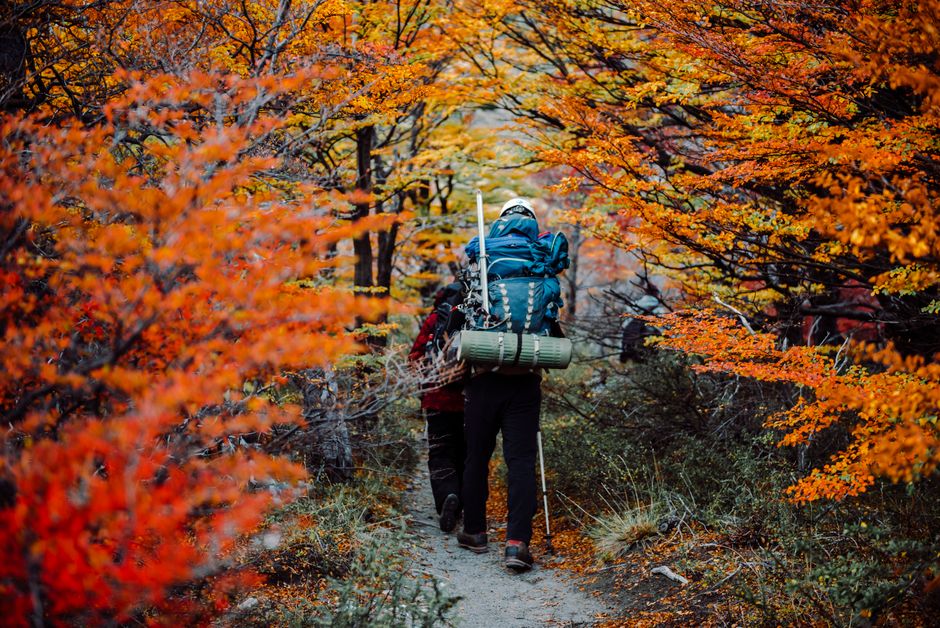
Patagonia weather punishes cheap gear. You’ll get rain, wind, sun, and near-freezing nights — sometimes in the same hour. The gear you carry matters more than the route you pick. Here’s what actually works, based on gear that has survived multiple seasons in Torres del Paine and El Chaltén.
The non-negotiable four items
First, a four-season tent. The MSR Access 2 ($800) handles Patagonia wind better than most three-season tents, but it’s heavy at 4.1 lbs. The Big Agnes Copper Spur HV UL2 ($530) weighs 3 lbs 2 oz and handles moderate wind, but you’ll need to pitch it carefully in exposed campsites. For budget hikers, the REI Co-op Passage 2 ($159) works if you add extra guylines and avoid exposed sites. Second, a sleeping bag rated to 20°F or lower. The NEMO Disco 15 ($330) and Western Mountaineering UltraLite 20 ($560) both work. A 30°F bag is a mistake — Patagonia nights drop below freezing even in summer. Third, a waterproof shell jacket with taped seams. The Arc’teryx Beta LT ($450) is the standard, but the Patagonia Torrentshell 3L ($179) does 90% of the job for less than half the price. Fourth, broken-in waterproof hiking boots. The Salomon Quest 4 GTX ($230) and La Sportiva Nucleo High II GTX ($239) both handle Patagonia mud and rock. Do not show up in new boots. Do not show up in trail runners unless you enjoy wet feet.
What you can rent instead of buy
Puerto Natales has at least six gear rental shops. Rental Costs in 2026 run $8–$12 USD per day for a tent, $5–$8 USD per day for a sleeping bag, and $4–$6 USD per day for a sleeping pad. For a 5-day trek, renting a tent, bag, and pad costs $85–$130 USD total. That’s cheaper than buying a $500 tent you’ll use once. But rental gear quality varies wildly. Inspect zippers, seams, and bag loft before you leave the shop. A rental bag that’s lost its loft means four freezing nights. If you plan to hike more than once, buy the Big Agnes Copper Spur and NEMO Disco 15. If this is a one-time trip, rent in Puerto Natales and spend the savings on better food and a refugio night.
Which Route Should a First-Timer Pick?
Skip the O Circuit. It’s 8–10 days, demands serious fitness, and the back side gets brutal weather. For a first multi-day hike in Patagonia, pick between the W Trek in Chile and the Huemul Circuit in Argentina. Here’s the honest comparison.
- The W Trek (Torres del Paine, Chile): 4–5 days, 50 miles, well-marked trails, established campsites, and refugio options. Best infrastructure in Patagonia. Also the most expensive and crowded. Book campsites 4–6 months in advance for the 2026 season — they sell out.
- The Huemul Circuit (El Chaltén, Argentina): 4 days, 40 miles, no permits, no campsite fees, and views of the Southern Patagonian Ice Field that rival anything in Torres del Paine. But it requires glacier travel, two Tyrolean traverses across rivers, and route-finding skills. Not a beginner route despite what some blogs claim.
- The Fitz Roy Loop (El Chaltén, Argentina): 3–4 days combining Laguna de los Tres and Laguna Torre. Free, flexible, and beginner-friendly. Camp at Poincenot and De Agostini. This is the best first Patagonia multi-day hike for most people.
My verdict: if you want infrastructure and don’t mind paying for it, do the W Trek. If you want a cheaper, wilder experience and have solid navigation skills, do the Fitz Roy Loop. Do not attempt the Huemul Circuit as your first multi-day hike. The Tyrolean traverses alone require harnesses, carabiners, and confidence over moving water. That’s a second or third Patagonia trip, not a first.
Common Mistakes That Ruin Patagonia Treks
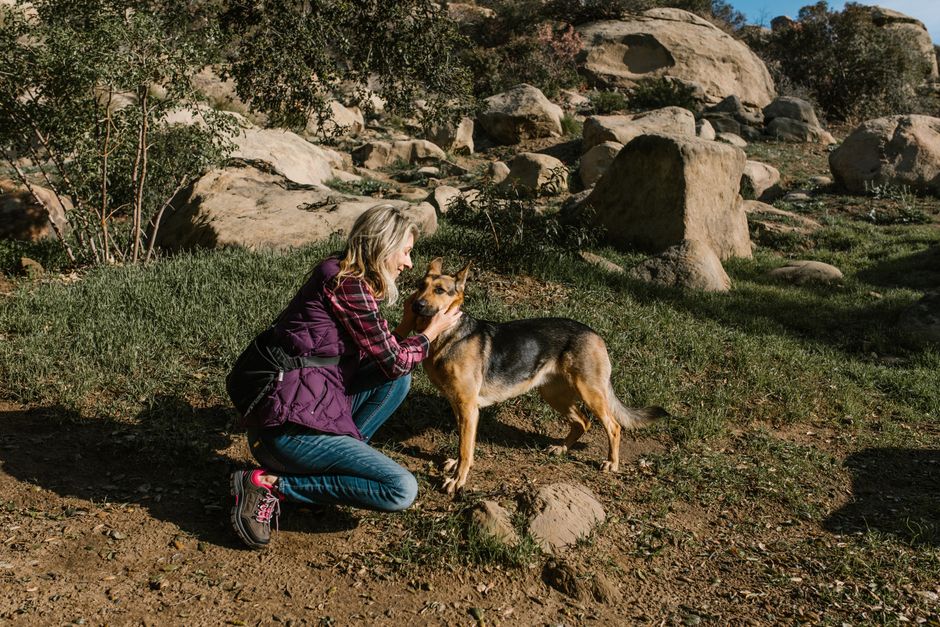
Most Patagonia trek failures aren’t fitness failures. They’re planning failures. These are the five mistakes I saw repeatedly on my last trip and the fixes that prevent them.
Mistake 1: Booking flights before campsites. Torres del Paine campsites sell out 4–6 months ahead for December–February dates. Book campsites first, then flights. I met three people in Puerto Natales who flew 6,000 miles and couldn’t get campsite reservations. They ended up doing day hikes instead of the W Trek.
Mistake 2: Underestimating wind. Patagonia wind regularly hits 50–60 mph. Cheap tent poles snap. Poorly staked tents end up in lakes. Practice pitching your tent in wind before you go. Add four extra stakes and guylines. The MSR Groundhog stakes ($25 for 6) hold better than the stakes that come with most tents.
Mistake 3: Packing cotton anything. Cotton kills in Patagonia. It holds moisture, chafes, and drops your body temperature. Merino wool or synthetic everything. The Smartwool Merino 250 baselayer ($120) is expensive but worth it. The REI Co-op Midweight baselayer ($60) works fine as a budget alternative.
Mistake 4: Not testing gear before the trip. A new stove, new boots, new pack — all untested. Set up your tent in your backyard. Cook a meal on your stove. Walk 10 miles in your boots. Every piece of gear fails in predictable ways. Learn those failure modes at home, not in a Patagonia rainstorm.
Mistake 5: Overpacking food and gear. First-timers carry 45+ lb packs. You need about 1.5–2 lbs of food per person per day and a pack weight under 35 lbs for the W Trek. The Osprey Eja 58 ($285) or Osprey Exos 58 ($285) forces you to pack light because they carry poorly over 35 lbs. That’s a feature, not a bug.
When to Skip Patagonia Entirely
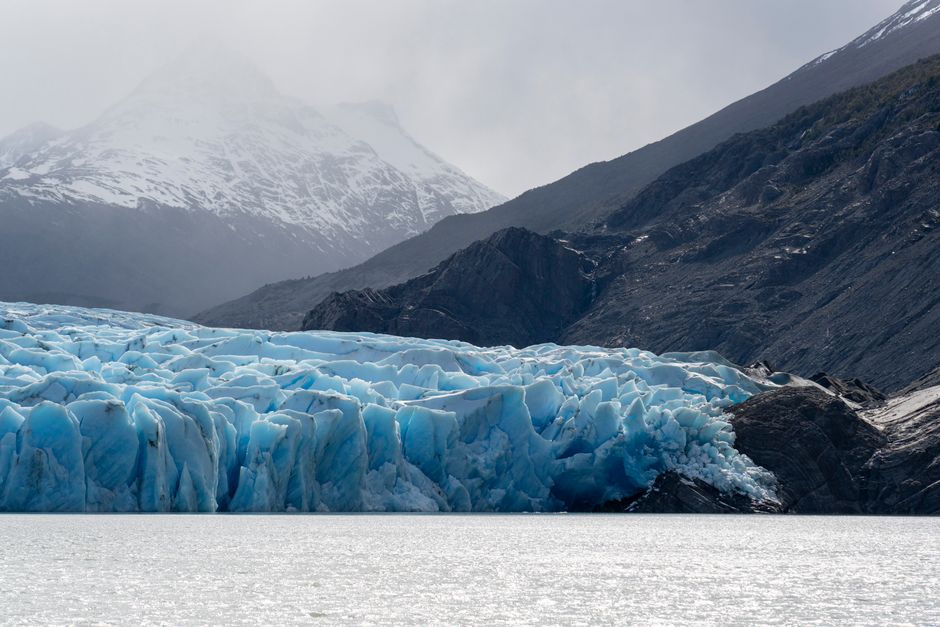
If you’ve never done a multi-day hike before, Patagonia is a hard first test. The weather, the isolation, the cost — it’s a lot. Do a 2–3 day shakedown trip somewhere closer to home first. The Lost Coast Trail in California, the White Mountains in New Hampshire, or even a local state park loop will teach you more about your gear and your limits than any blog post. If you struggle on a 3-day hike in good weather, you’ll suffer on a 5-day Patagonia trek in bad weather.
Also skip Patagonia if you’re on a strict backpacker budget. The region is expensive. Southeast Asia or Peru’s Cordillera Blanca offer multi-day treks for a fraction of the cost. The Santa Cruz Trek in Peru costs under $200 USD all-in for 4 days and delivers similar alpine scenery. Patagonia is worth the money, but it’s not the only option.
For everyone else — go. Book campsites early, rent or buy the right gear, pick the Fitz Roy Loop or W Trek, and accept that the weather will do whatever it wants. That’s part of it.