A colleague tells you to skip Prague this time. “Everyone’s already been,” they say, and drops Riga into the conversation instead. You pull up flights from London: €80 return on a slow week. Hotels near the center: €70–90 a night for a solid 3-star. Then you start reading and realize you know almost nothing about what Riga actually offers beyond vague references to “Baltic charm” and a medieval old town that half the cities in Europe claim to have.
Here’s the case, stated plainly: Riga is the largest city in the Baltic states, holds the highest concentration of Art Nouveau architecture in Europe — over 750 buildings, not a handful — runs on a budget that undercuts Western Europe by 40–60%, and remains genuinely uncrowded by the standards of other mid-tier European capitals. Those are measurable, checkable facts.
This is not a guarantee of a perfect trip. City experiences vary by season, weather, and personal preference. What follows is an honest breakdown of what Riga actually offers and where it falls short.
The Art Nouveau District Changes What You Think of This City
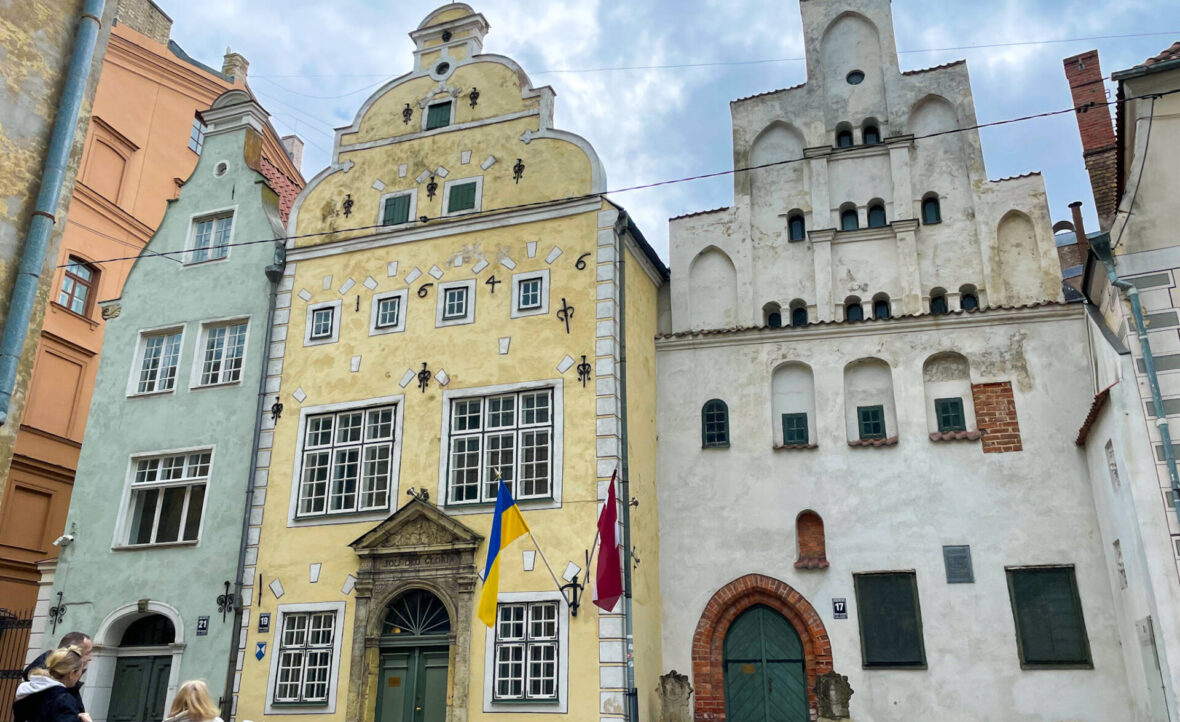
Most Baltic city guides lead with cobblestone streets and medieval towers. Riga has those, but that’s not the reason to come here specifically. Tallinn does medieval architecture more completely. Vilnius does baroque better. What Riga has that no other European city can match is a full residential neighborhood — not a roped-off landmark, not a themed museum district — built almost entirely in Art Nouveau style over a 17-year construction boom from 1896 to 1913.
The figure that keeps appearing in every Riga article is accurate: over 750 Art Nouveau buildings. The context matters. Vienna — usually cited alongside Riga as a major Art Nouveau capital — has roughly 400 notable examples. Paris has perhaps 50 significant facades. Riga’s density is extreme, and it’s concentrated into several streets within 15 minutes’ walk of each other, the result of a specific economic moment when newly wealthy Latvian families commissioned elaborate facades from architects trained in Berlin and Paris.
Alberta iela: Where to Start
Alberta iela is the most photographed street. Six-story facades with sculpted Atlas figures holding up balconies, female faces framed in flowing stone hair, stylized owls and geometric sunbursts carved into pale gray limestone. The buildings aren’t cordoned off — you walk directly underneath the balconies and look up at the carvings from a meter away, feeling the scale in a way photographs don’t convey.
The Riga Art Nouveau Museum at Alberta iela 12 charges around €7 for admission. It’s a restored early 20th-century apartment — original furniture, original wallpaper, original light fixtures — the only place in the district where you see the inside of one of these buildings rather than just the exterior. Budget 45–60 minutes. Don’t skip it in favor of more street time.
Elizabetes iela and the National Romantic Branch
Alberta iela draws the crowds in July and August. Elizabetes iela, two blocks over, has facades of equal quality with a fraction of the foot traffic. Further north, Strēlnieku iela shows the National Romantic variant of the style — heavier stonework, fewer filigree details, stronger integration of Latvian folk motifs rather than the Viennese Secession influence that dominates Alberta iela. The visual difference is obvious even to a first-time visitor.
Spend a full morning here — three to four hours — not a 45-minute circuit. Most people who say Riga’s architecture wasn’t that impressive spent under an hour.
Bottom Line: The Art Nouveau district is what separates Riga from every other European city at this price point. This is the primary reason to come here, not an added bonus to the Old Town visit.
What Riga Actually Costs Per Day: Real Numbers for 2026
Latvia joined the eurozone in 2014, so there’s no currency conversion complexity. Prices have not caught up to Western European levels. Food, accommodation, and drinks in Riga run roughly 40–60% cheaper than equivalent quality in Germany, France, or the Netherlands. Here’s a realistic breakdown:
| Category | Budget Option | Mid-Range | Upscale |
|---|---|---|---|
| Accommodation (per night) | €30–45 (hostel or budget hotel) | €70–110 (3-star) | €150–220 (boutique) |
| Breakfast | €3–6 (bakery or café) | €8–12 (sit-down café) | €15+ (hotel restaurant) |
| Lunch | €6–10 (market stall or canteen) | €12–18 (restaurant) | €20–30 |
| Dinner | €10–16 (local restaurant) | €18–30 (mid-range) | €40–80 (fine dining) |
| Beer or wine (per drink) | €2–3.50 (bar) | €3–5 (restaurant) | €6–12 (hotel bar) |
| Museum entry | €3–8 | €8–12 | €15 (premium) |
| Public transport day pass | €5 | €5 | €5 |
| Daily total (solo traveler) | €60–95 | €120–180 | €260+ |
For food specifically: Lido is a Latvian cafeteria chain with multiple city locations, including one near the Central Market. Hot meals — roast pork, grey peas with smoked bacon, potato pancakes — run €6–9. Latvians eat here regularly. It’s not tourist-facing food dressed as local; it’s the standard midday option for office workers and families alike.
Practical tip: book accommodation in the Art Nouveau neighborhood rather than the Old Town. Prices are comparable, but the Old Town runs loud on Friday and Saturday nights until 2–3am. Alberta iela is residential and quiet. This is the single most impactful booking decision you’ll make for a Riga trip.
For an evening meal worth spending on, Folkklubs Ala Pagrabs in the Old Town serves traditional Latvian food with live folk music most evenings. Dinner for two with drinks typically runs €35–55. The smoked meats and cold fermented bread soup (aukstā zupa) aren’t dishes you’ll find on menus outside Latvia.
On accommodation: Hotel Bergs is a well-regarded design boutique in the Art Nouveau district, starting around €130–160 per night in high season. It represents upscale by Riga standards and mid-range by Amsterdam or Paris standards. Neiburgs Hotel in the Old Town is a comparable quality option if you prefer the medieval center despite the noise risk.
Bottom Line: A 3-night trip with return flights from most European cities, solid accommodation, and proper dinners runs €400–600 per person total. That’s a hard number to beat anywhere in Europe for the level of architectural and cultural interest on offer.
Five Things Worth Doing That Standard Riga Lists Skip
The usual highlights — Old Town, the Art Nouveau district, Jūrmala beach, the Central Market, Gauja National Park — are all legitimate starting points. These five add real depth to the visit and see far fewer tourists:
- The Central Market in full. Five converted Zeppelin hangars hold separate halls for meat, fish, dairy, produce, and textiles. Most visitors do a quick 20-minute circuit. The fish hall alone warrants 30–40 minutes of actual browsing. Go on a Saturday morning, go hungry, and budget €10–15 for lunch assembled from individual stalls. The scale consistently surprises people who arrived expecting a normal weekend market.
- The Latvian National Museum of Art. Recently renovated and better-presented than most national collections in the Baltics. Entry is €7. The permanent collection covers 19th–20th century Latvian painting — surprisingly strong, rarely crowded, and logically connected to the Art Nouveau movement you’ll have spent the morning examining on the streets. The building itself, completed in 1905, is an Art Nouveau structure worth seeing in its own right.
- Kalnciema Quarter on Saturday mornings. A preserved wooden-architecture district that hosts a weekly outdoor market from roughly 10am to 2pm. Draws local residents more than tourists — fresh bread, seasonal produce, Latvian craft goods. Arrive before noon. The best vendors sell out early, and the atmosphere shifts noticeably once the tour groups arrive around midday.
- The Occupation Museum. Free entry. Covers the Soviet and Nazi occupations of Latvia from 1940 to 1991. Not a comfortable visit, but it provides context that most architecture tours skip entirely — why certain buildings survived, why others were demolished, what the political identity of modern Latvia is built on. Budget 90 minutes. Rushing it misses the point.
- 3 Pavāru Restorāns (Three Chefs Restaurant) on Miera iela. A quiet neighborhood north of the center, far from tourist circuits. Contemporary Latvian cooking using seasonal local ingredients: approximately €35–50 per person with drinks. Book ahead for Friday and Saturday dinners. This is where Riga residents eat when they want something serious rather than tourist-facing Latvian food.
Transport note: Riga’s tram and trolleybus network covers most of these areas without issue. A 90-minute ticket costs €1.15; a day pass is €5. There’s no compelling reason to use taxis within the city center unless you’re moving luggage between hotels.
Three Nights Is the Right Duration. Here’s Why.
Two nights leaves things genuinely undone — you spend most of one day on the Art Nouveau district and have half a day for everything else. Four nights is comfortable if you’re adding a countryside day trip. Three nights — Thursday arrival, Sunday departure — covers the Art Nouveau neighborhood done properly, one day in Jūrmala (25 minutes by train, €3 each way, pine forest and a long Baltic beach), real evening meals rather than rushed ones, and a Saturday morning at Kalnciema Quarter. That schedule leaves breathing room without feeling padded. Anything beyond four nights requires genuine interest in Gauja National Park or Latvia’s rural east, both of which need separate planning and a full day each.
When Riga Is the Wrong Trip for You
Is visiting in winter worth the lower prices?
January and February in Riga average -3°C to -5°C, with short days and persistent overcast. The Art Nouveau facades don’t care about the temperature — the carvings look the same in January as in July, arguably better in low winter light. Museums are heated. The Occupation Museum, the Latvian National Museum of Art, and the Art Nouveau Museum are all fully functional in February.
What you lose is the outdoor market atmosphere, the Jūrmala beach option (cold Baltic in winter is not a beach), and the ability to walk slowly through neighborhoods without wind protection. What you gain: hotel rates drop 30–40% below summer, the Old Town feels less like a tourist set and more like a city that has residents, and in December specifically, Riga’s Christmas market — running through early January — is genuinely good rather than manufactured. If outdoor terraces and long afternoon walks are how you prefer European city breaks, come in May or September. If indoor culture and significant savings work for you, the winter trade is honest.
Is Tallinn a better choice for a first Baltic visit?
Tallinn’s Old Town is more compact, more immediately photogenic, and more intact overall. It’s also 15–25% more expensive than Riga and significantly more touristed in high season — cruise ship arrivals flood the narrow medieval streets by 10am on busy summer days, creating the kind of managed foot traffic that kills spontaneity.
If you’ve already done Tallinn, Riga is the obvious next Baltic destination. If you’re choosing between them for a first trip: Riga wins on architectural variety, budget, and the specific draw of the Art Nouveau district. Tallinn wins on pure medieval atmosphere and the ease of covering everything in two days. Neither is a bad answer — but Riga gives you a stronger specific reason to make the trip.
What’s the most common mistake first-time visitors make?
Two consistent errors. First: treating Riga as a one-night stop on a multi-country itinerary. The Art Nouveau district properly covered needs three to four hours minimum. A rushed pass through Alberta iela sees maybe 20% of what’s available in a five-block radius.
Second — and more fixable in advance — booking cheap accommodation in the Old Town. The area is heavily bar and restaurant, and it gets loud on weekend nights until 2–3am. The Art Nouveau neighborhood around Alberta iela is residential. Hotels there typically cost the same or slightly less, you sleep better, and you walk out in the morning onto one of the most architecturally remarkable streets in Europe.
Your colleague’s recommendation holds up. The flight prices you found aren’t a mistake. Book Thursday departure, spend Friday morning on Alberta iela, have lunch at Lido, and reserve a table at Folkklubs for the evening. When the next person at work asks where to spend a long weekend in Europe, you’ll have a specific, honest answer ready.