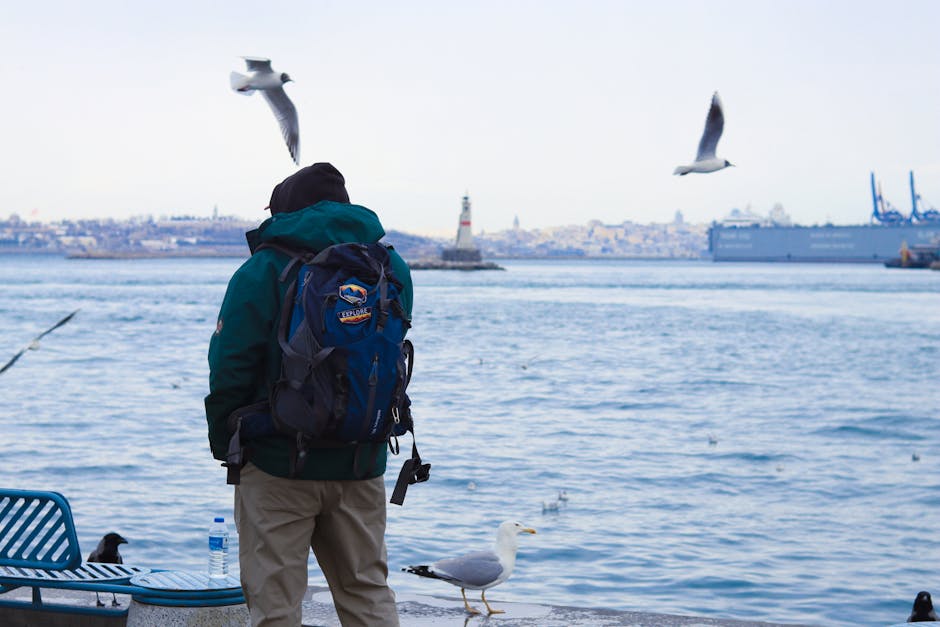
The trailhead parking lot tells you everything. The person with the 55-pound pack straining against their hips, brand-new boots still stiff, a printed Google Maps route in their pocket — that’s the person who’s going home two days early. Not bad luck. Bad prep, starting weeks before the hike.
First trips fail the same ways over and over. This guide cuts through the noise and tells you exactly what matters, what to skip, and what it’s actually going to cost you.
The Gear That Actually Matters (And the Specs to Back It Up)
Four categories determine whether a backpacking trip is good or miserable: your pack, your shelter, your sleep system, and your footwear. Get those four right and the rest is details.
The table below compares real options across three budget tiers. Budget picks exist — most compromise on weight, which you’ll pay for in back pain by day two.
| Category | Budget Pick | Best Value | Go-Light Option |
|---|---|---|---|
| Backpack (55–65L) | Teton Sports Scout 3400 ($80, 5.2 lbs) | REI Co-op Flash 55 ($229, 2.7 lbs) | Gossamer Gear Mariposa ($315, 1.6 lbs) |
| Tent (2-person) | REI Co-op Passage 2 ($199, 4.4 lbs) | MSR Hubba Hubba NX ($400, 3.1 lbs) | Big Agnes Copper Spur HV UL2 ($450, 2.7 lbs) |
| Sleeping Bag | Kelty Cosmic Down 20 ($150) | Sea to Summit Spark SP2 ($280, 20°F comfort) | Enlightened Equipment Revelation ($290) |
| Sleeping Pad | Therm-a-Rest Z Lite SOL ($55, R-value 2.0) | Therm-a-Rest NeoAir XLite ($220, R-value 4.5) | Nemo Tensor Insulated ($230, R-value 4.2) |
| Stove | MSR PocketRocket 2 ($45) | Jetboil Flash ($100, boils 1L in 100 sec) | BRS-3000T ($18, 0.1 oz) |
| Water Filter | Sawyer Squeeze ($35) | Katadyn BeFree 1L ($50) | Sawyer Squeeze ($35) |
| Boots/Shoes | Merrell Moab 3 Mid ($130) | Salomon X Ultra 4 GTX ($160) | Altra Lone Peak 7 trail runners ($140) |
Pack Weight: The Only Number That Really Matters
Your base weight — everything in the pack minus food and water — should land between 18 and 25 pounds for a first multi-day trip. Heavier than that and your pace drops dramatically on any climb over 500 feet.
The Osprey Atmos AG 65 ($270) splits the difference between comfort and weight better than anything else in its price range. Its anti-gravity suspension distributes load across your hips correctly — which matters enormously on day three when your shoulders are already done. It’s the pack to recommend before anything else.
The Socks Nobody Talks About
Buy three pairs of Darn Tough Hiker Micro Crew socks ($22 each). Wool. Lifetime guarantee. The brand replaces any pair that wears out, no questions asked. On a five-day trip with stream crossings and wet mornings, having socks that dry fast and don’t bunch is worth more than their price tag suggests.
How to Pick a Route Without Setting Yourself Up to Fail
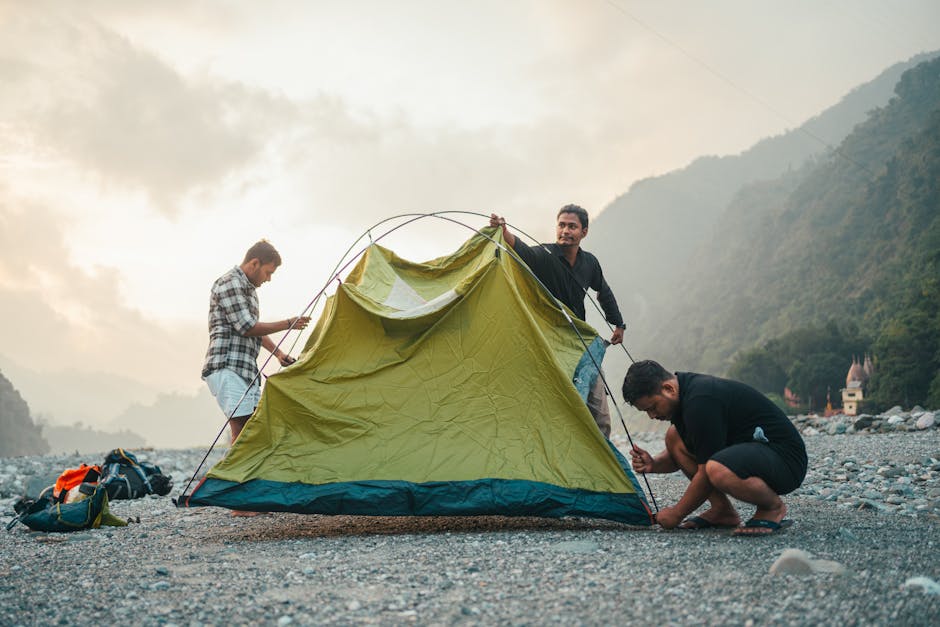
Most first-timers aim too high. They see photos from the Enchantments in Washington or the Wind River Range in Wyoming and apply for those permits before they’ve ever slept outside with a loaded pack. That’s a fast way to have a miserable experience and swear off backpacking permanently.
The goal for your first trip is simple: finish it wanting to do it again. That means picking a route where the daily mileage and elevation are honest with your current fitness level — not your aspirational one.
Target 6–10 miles per day with no more than 1,500 feet of elevation gain. Six to ten miles under load is harder than it sounds if you’ve only ever day-hiked in trail runners.
Routes That Actually Reward First-Timers
The Lost Coast Trail in northern California covers 25 miles over 3–4 days along coastal bluffs with minimal serious climbing. The scenery punches well above its difficulty level. Permits are required through Recreation.gov but available without a lottery. This is one of the better-kept secrets for West Coast beginners.
The Teton Crest Trail in Wyoming (40 miles, 4–5 days) delivers exceptional scenery at a manageable pace and permits are significantly easier to secure than the John Muir Trail. Just be ready for afternoon thunderstorms — move quickly above treeline after noon, every day.
Dolly Sods Wilderness in West Virginia is criminally underrated on the East Coast. Open meadows, wild blueberries, low crowds, and no advance permit required. The terrain is forgiving and the access from D.C. or Pittsburgh is straightforward.
The Appalachian Trail is the first suggestion most people get. Skip it for your first multi-day attempt. Georgia’s southern sections are relentlessly hilly. New Hampshire’s White Mountains are genuinely dangerous in bad summer weather. If you want AT exposure, section-hike through Shenandoah National Park in Virginia — honest terrain, well-maintained trail, forgiving on first-timers.
How to Read a Trail Before You Commit
Pull up your planned route in Caltopo (free) and look at the elevation profile. If you see sustained 1,000-foot climbs stacked back-to-back for three consecutive days, downgrade to something flatter. The profile doesn’t lie — your legs will confirm what the map already told you.
Download maps offline before leaving cell service. Gaia GPS ($40/year) and AllTrails Pro ($36/year) both support offline downloads. Do not rely on cell coverage in wilderness areas. Not as a backup. Not ever.
The Permit Reality Check
Popular wilderness areas now require permits, and most use lotteries that open months in advance. The John Muir Trail lottery opens in February for summer travel — apply in June and you’re not going. Check Recreation.gov for any route you’re considering and plan permit-dependent trips at minimum four months out. Always have a backup trail that doesn’t require advance permits, because lottery failure is common and the calendar moves fast.
Guided Trips vs. Going Solo: A Straight Comparison
Guided backpacking trips aren’t just for beginners. But there are situations where a guide genuinely changes what’s possible — and situations where you’re paying a significant premium to have someone walk next to you on a well-signed trail.
| Factor | Self-Guided | Guided Trip |
|---|---|---|
| Cost (5-day trip, per person) | $300–500 (gear + food + transport) | $1,200–2,500 depending on company |
| Gear requirement | All yours to source | Usually included in trip price |
| Route flexibility | Complete control | Fixed itinerary |
| Safety net | Your preparation, your decisions | Guide handles navigation and emergency protocol |
| Best for | Established U.S. trails, experienced hikers | Technical terrain, Alaska, international routes, solo first-timers |
| Reputable companies | N/A | REI Adventures, Wildland Trekking, NOLS |
When Paying for a Guide Is Actually Smart
REI Adventures runs guided domestic trips starting around $1,200 for five days — logistics, leadership, and often gear included. Wildland Trekking specializes in high-demand routes: their Grand Canyon Rim-to-Rim and Zion Narrows guided trips are worth the cost for solo travelers who want those routes without months of planning overhead. For technical Alaska wilderness or international trips like Patagonia’s Torres del Paine, a guide isn’t optional — it’s risk management. NOLS (National Outdoor Leadership School) is the best option if you want to develop genuine navigation and emergency skills alongside the trip itself.
When to Skip the Guide
Any well-marked, well-trafficked trail in the lower 48 doesn’t require one. The Pacific Crest Trail, Vermont’s Long Trail, the Tahoe Rim Trail — all are self-navigable with downloaded maps and basic preparation. Save the money and invest it in better gear for your next trip.
The Mistakes That Ruin Backpacking Trips Every Single Year
- Wearing new boots on the trail for the first time. Break-in means 10–15 miles of regular walking before any boot is ready for loaded trail use. Blisters on day one of a five-day trip are not recoverable. Buy boots two months before the trip, not two weeks.
- Skipping the shakedown hike. Do one overnight trip with your full loaded gear before the main event. You’ll find what you packed wrong, what chafes, what doesn’t fit, and what you forgot. This single step eliminates roughly 80% of first-trip disasters.
- Overpacking food. Most people pack 2.5 lbs of food per day. The actual number is 1.5–1.75 lbs. Freeze-dried meals from Mountain House or Good To-Go weigh 3–4 oz per serving at 550–650 calories each. Plan 2,500–3,000 calories per day. On high-mileage days, add one snack block, not a second full meal.
- No satellite communicator. Cell service does not exist in most backcountry areas. The Garmin inReach Mini 2 ($350 device, $15/month plan) sends SOS signals and two-way texts from anywhere on earth. Solo travelers: this is non-negotiable. Groups of two or more: at least one person should carry one.
- Cotton base layers. Cotton holds moisture against skin and causes dangerous heat loss when mountain temperatures drop at night — and they always drop. Merino wool (Smartwool, Icebreaker) or synthetic only. Every layer. Every time.
- No turnaround time decided in advance. Before leaving camp each morning, commit to a time: if you haven’t reached your objective by 2 p.m., you turn around. Summits are not worth navigating back in the dark on an unfamiliar trail. Set the rule when your judgment is clear, not when you’re staring at the summit 400 feet above you.
Water, Food, and Sleep: How to Run All Three Systems Well
How do I safely find and filter water on the trail?
Use moving water sources — streams and rivers over standing ponds or lakes. The Sawyer Squeeze filter ($35) processes a liter in about 90 seconds and weighs 3 oz. The Katadyn BeFree ($50) flows faster but the membrane degrades more quickly under heavy use. Always carry iodine tablets as a backup. One filter plus tablets equals genuine redundancy. Never rely on a single system in remote terrain without a backup plan.
What should I actually eat out there?
Here’s a working daily framework for a 5-day backpacking trip:
- Breakfast: instant oatmeal or granola bars — 350–400 calories, zero cooking complexity required
- Lunch: flour tortillas, peanut butter, hard salami, Babybel cheese — 600–700 calories, no stove needed
- Dinner: Mountain House Lasagna with Meat Sauce or Good To-Go Thai Curry — 550–650 calories per pouch, add boiling water and wait eight minutes
- Snacks: trail mix, Clif Bars, Honey Stinger waffles — 500–700 additional calories spread across the day
Total comes to roughly 2,000–2,450 calories per day. That’s sufficient for moderate mileage. On high-output days over 10 miles, add a second snack block — not a second full dinner.
How do I actually sleep warm in the mountains?
Sleeping bag temperature ratings are survival ratings, not comfort ratings. A bag “rated to 20°F” means you survive at 20°F — not sleep well. Buy a bag rated 10–15 degrees below the coldest temperature you’ll realistically encounter. Pair it with a sleeping pad carrying an R-value of at least 4.0. Cold ground pulls heat from your body faster than cold air does. The Therm-a-Rest NeoAir XLite ($220, R-value 4.5) is the benchmark — it’s what the pad should measure up to before you buy something cheaper.
What a Backpacking Trip Actually Costs: Full Breakdown
First Trip vs. Every Trip After That
The first trip is expensive because you’re buying gear. Every trip after that, the cost drops to food, fuel, and transport. Here’s the honest breakdown:
| Expense | First-Timer (buying gear) | Returning Backpacker |
|---|---|---|
| Pack | $200–270 | $0 (owned) |
| Tent | $200–450 | $0 (owned) |
| Sleep system (bag + pad) | $350–500 | $0 (owned) |
| Stove, fuel, cookware | $60–120 | $8–15 (fuel only) |
| Clothing and layers | $100–200 | $0–50 |
| Food (5 days) | $80–120 | $80–120 |
| Permit fees | $5–35 | $5–35 |
| Transport (gas or flights) | $50–400 | $50–400 |
| Total Estimated | $1,045–1,715 | $143–620 |
Rent Before You Buy
REI rents tents, packs, and sleep systems at most store locations. A 5-day rental package runs $80–120 total. That’s the right move before spending $900 on gear and discovering you hate sleeping on the ground. One successful rental trip tells you more about what you actually need than any buying guide will.
That person in the parking lot with 52 pounds on their back? Six months later they came back with an Osprey Atmos, a Big Agnes Copper Spur, and 21 pounds total. The trip that nearly broke them is the one they talk about most. That’s exactly how this goes.