Melbourne sits at the centre of everything. Two hours east, Wilsons Promontory granite headlands drop into cold Southern Ocean water. Two hours west, the Twelve Apostles rise from the same ocean. Four hours north, Alpine ash forests and ski villages that double as summer hiking bases. The city is genuinely well-positioned for road trips — but not every route earns the drive time equally.
This ranks five real routes by what you actually get for your effort: driving hours, realistic costs, seasonal timing, and honest assessments of what most guides leave out or bury at the bottom.
How the Five Main Routes Actually Stack Up
Distances on maps from Melbourne CBD look deceptively manageable until you factor in coastal switchbacks, mountain roads averaging 50km/h, and the 30 minutes lost navigating through Frankston or Geelong during peak hour. The numbers below use conservative real-world driving times, not Google Maps estimates.
| Route | Distance from Melbourne | Minimum Days | Best Season | Budget AUD (2 people) |
|---|---|---|---|---|
| Great Ocean Road (Torquay to Port Fairy) | ~250km one way | 2–3 days | Oct–April | $400–$750 |
| Mornington Peninsula | ~90km to Sorrento | 1–2 days | Year-round | $150–$350 |
| Phillip Island | ~140km to Cowes | 1–2 days | Year-round | $180–$400 |
| Grampians (Halls Gap base) | ~260km | 2–3 days | Sept–Nov, March–May | $350–$600 |
| High Country (Bright / Falls Creek) | ~310km to Bright | 3–4 days | March–June, Dec–Feb | $500–$900 |
The Mornington Peninsula is the only route genuinely viable as a one-day return trip from Melbourne. Every other option punishes a short stay — you spend more time driving than actually being anywhere.
Tolls and Fuel: Numbers Nobody Puts in a Guide
EastLink tolls add $6–$8 each way heading southeast toward Mornington or Phillip Island. CityLink runs $5–$7 leaving the CBD westbound toward the Great Ocean Road. Fuel from Melbourne to Halls Gap and back in a standard 2.0L petrol car costs approximately $70–$85 at current pump prices. Most regional towns stock E10 and 91 unleaded. Premium 98 is available in Halls Gap, Apollo Bay, and Bright, but not at every servo between.
When Google Maps Lies to You
Google estimates Great Ocean Road driving at roughly 3.5 hours, Torquay to Warrnambool, non-stop. Nobody does it non-stop. Between Lorne, Apollo Bay, and the lookouts between Princetown and the Twelve Apostles, add 2–3 hours minimum. Budget 6 hours of actual travel time on that coastal stretch if you are doing it properly.
The Great Ocean Road: What Is Worth Stopping For and What Is Not
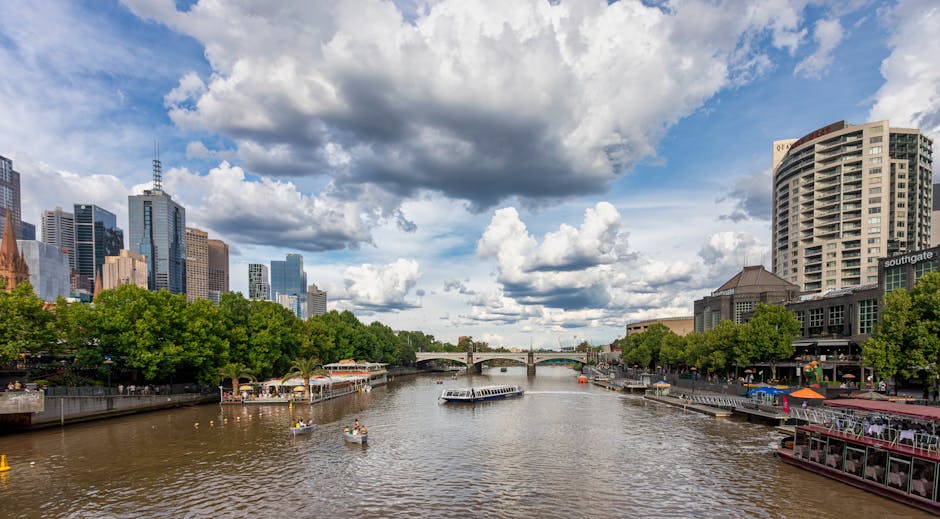
The Great Ocean Road attracts more international attention than any other route on this list. That attention also sends people to mediocre stops while they drive straight past better ones.
Torquay is the official start. If you do not surf, Bells Beach takes 20 minutes and is visually flat unless a proper swell is running. Keep moving. Lorne is the first legitimate stop: strong cafe scene, a south-facing beach that picks up real waves, and the Erskine Falls trail (45 minutes return, free, genuinely impressive rainforest gully) that most people driving through skip entirely.
Apollo Bay to the Twelve Apostles: The Section That Earns the Drive
The Great Otway National Park stretch between Apollo Bay and Princetown is the best driving on the entire route. Cape Otway Lightstation (open daily, $22/adult) is the oldest surviving lighthouse on mainland Australia — the cape headland itself is dramatic enough to justify the 12km sealed detour. The Otway Fly Treetop Walk ($32.50/adult) runs 600 metres of elevated steel walkway through cool temperate rainforest at 25 metres above the ground. Worth it if you have never walked elevated canopy infrastructure. Skip it if slow-paced boardwalks do not appeal — this is not a hiking trail.
The Twelve Apostles: set expectations honestly. Seven of the original nine limestone stacks are still standing. Sunrise and sunset visits make a material difference — 7am on a summer weekend versus 10am is the gap between a photogenic coastline and a coach tour situation. Loch Ard Gorge, 500 metres west along the highway, is less visited and visually more dramatic than the Apostles themselves. Most guides treat it as a footnote. It should not be.
Where to Base for a 2-Night Trip
Apollo Bay is the best base on the whole route. More accommodation range than Lorne (which is pricier), more atmosphere than Port Campbell (functional but limited). Apollo Bay Backpackers runs from $35/night for a dorm bunk. Beacon Point Ocean View Villas offers studio accommodation from $200–$280/night with direct ocean views. Port Campbell works as a base only if proximity to the Apostles is the single priority.
Mornington Peninsula vs. Phillip Island: A Direct Comparison
Both routes leave Melbourne heading southeast. Both take roughly 90–110 minutes in normal traffic. They deliver fundamentally different experiences, and which one wins depends entirely on what you are actually after.
| Factor | Mornington Peninsula | Phillip Island |
|---|---|---|
| Drive from CBD | 75–90 min to Portsea | 90–110 min to Cowes |
| Main draws | Wineries, hot springs, ocean beaches | Penguin Parade, motor racing circuit, surf beaches |
| Food and wine scene | Strong — 50+ cellar doors | Limited — pub meals and fish and chips dominate |
| Best for families | Moderate | High — structured wildlife and entertainment |
| Accommodation range | $180–$600/night | $120–$350/night |
| Off-season case | Good — springs and cellar doors work year-round | Strong — penguins return to shore every single night |
For food and wine, Mornington wins clearly. Ten Minutes by Tractor (three vineyard sites, tasting menu from $95/person) and Stonier Wines (consistently high-rated pinot noir, cellar door open daily without bookings on weekdays) are genuine destinations rather than tourist pit stops. Peninsula Hot Springs in Fingal runs $40–$55/adult for bath house general entry. Book 3–4 weeks ahead on weekends. Walking in without a reservation on a Saturday works out around 20% of the time.
Phillip Island is the stronger pick for families or anyone who wants structured sightseeing rather than a self-directed winery day. The Phillip Island Penguin Parade ($33.50/adult, book online before you go) delivers on its premise — little penguins returning from the ocean at dusk in groups of hundreds, using the same beach they have used for decades. Arrive at Summerland Beach Visitor Centre at least 45 minutes before local sunset for decent positioning on the viewing platform.
Grampians in 48 Hours: The Direction Most Melbourne Guides Ignore

The Grampians — 260km northwest via the Western Freeway — is the best-value wilderness trip within a 3-hour drive of Melbourne. Most road trip content clusters east or southwest along the coast. This is the route that gets overlooked and consistently outperforms expectations on the payoff-per-kilometre measure.
The Hikes Worth Prioritising
- Pinnacle Lookout — 2.5 hours return from Wonderland carpark. Best panoramic views in the entire park. Final section uses steel chains bolted into exposed rock. Not technical climbing, but not suitable for children under 8 or anyone with a genuine height phobia.
- MacKenzie Falls — 1.4km return, 30-metre waterfall. Best water volume July through November. A trickle by mid-January in most years.
- Boroka Lookout — 10-minute walk from the carpark. Disproportionate view for minimal effort. Strong sunrise location.
- The Balconies (Jaws of Death) — 2.6km return, dramatic rock platforms over the valley floor. Less visited than Pinnacle, equally scenic from a different angle, better for anyone who wants solitude on a busy weekend.
Halls Gap is the base town. Kangaroos are dense at dusk — drive at 40km/h on the Grampians Tourist Road between 5pm and 8pm. A kangaroo strike on a dark rural road routinely results in $5,000–$12,000 in panel damage. This is not a caution you can ignore.
Timing the Grampians Right
September to October is wildflower season — over 900 native plant species, including rare orchids that exist nowhere else in Victoria. It also brings peak visitor numbers. For a better version of the same trip: late March to mid-May. Cooler temperatures, eucalyptus ridgelines shifting to autumn grey-greens and muted golds, accommodation prices down 20–30% from spring peaks, and trails that are actually walkable without queuing at trailheads. The Grampians in April is chronically underrated in every guide written about Victoria.
The Single Biggest Planning Mistake to Avoid
Treating a 250km route as a day trip. This error ruins the Great Ocean Road for more first-time visitors than any other decision.
The pattern plays out the same way every time: drive from Melbourne to the Twelve Apostles (3.5 hours), spend 45 minutes there, return via the Princes Highway (2.5 hours). Seven-plus hours of driving for 45 minutes at destination. That is not a road trip.
The fix is either committing to two nights minimum for any route past 150km, or running a loop that does not retrace the same road. The Great Ocean Road to Warrnambool and back via Princes Highway covers 680km total — a clean 3-day circuit that does not repeat a single stretch. The Grampians-to-Coast loop (Melbourne to Halls Gap to Dunkeld to Port Campbell to Great Ocean Road back to Melbourne) runs approximately 900km and works comfortably over four days if you leave Melbourne by 9am on day one.
One additional note on direction: the Great Ocean Road heading west from Torquay keeps the ocean on the left. The dramatic cliff-top lookouts between Princetown and Peterborough face southwest. Drive it east to west — Melbourne toward Warrnambool — for better sight lines from the driver’s seat. The reverse direction is a worse experience on the same road.
High Country Routes: Bright, Beechworth, and Seasonal Reality
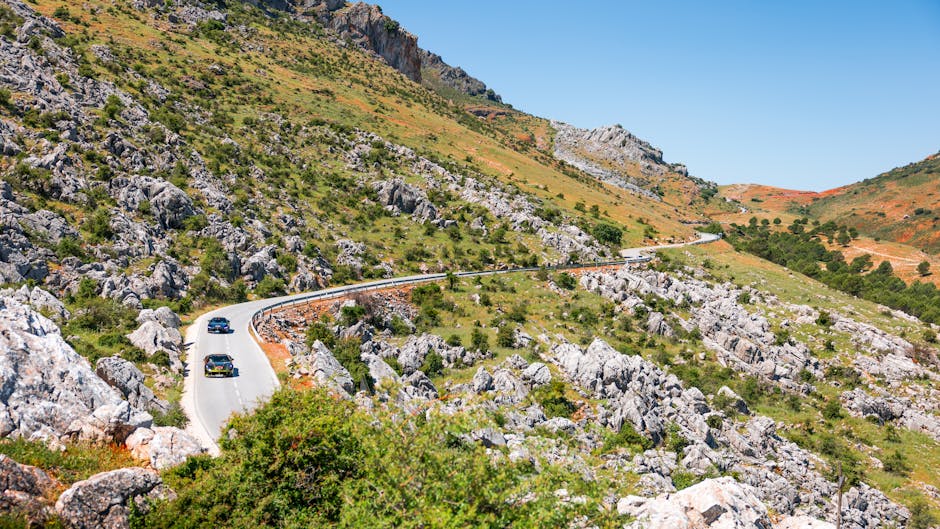
The Victorian High Country is the only route on this list that functions as a completely different trip depending on when you go. This is not a destination where the season changes the vibe slightly — it changes the entire activity set.
| Season | Experience | Crowd Level | Road Notes |
|---|---|---|---|
| June–August (winter) | Skiing at Falls Creek Alpine Resort or Mount Buller Resort | High on snow weekends | Chains compulsory above 1500m — hire in Bright or Harrietville |
| March–May (autumn) | Deciduous trees in Bright turning gold and copper | Very high during Bright Autumn Festival (late April) | Roads clear, no snow risk |
| December–February (summer) | Mountain biking, King Valley wineries, alpine hiking | Moderate | Excellent — all passes open |
| September–November (spring) | Alpine wildflowers, snowmelt rivers, quiet towns | Low — best season for solitude | Snow still possible above 1500m through October |
Bright Autumn Foliage: What the Photos Do Not Show
The autumn colour in Bright is genuine. European deciduous trees — poplars, chestnuts, elms — were planted along the Ovens Valley floor by early settlers, and the 3–4 week window from mid-April to early May is one of the only places in Australia that replicates northern hemisphere autumn visually. The Bright Autumn Festival, typically the last weekend of April, books out accommodation 3–5 months in advance. Search in January if that specific weekend matters to you. If you just want the foliage without the crowds, the week after the festival still carries 80% of the colour with 40% of the visitor numbers.
King Valley Wineries: A Half-Day Addition Worth Building In
Dal Zotto Wines and Pizzini Wines, both in the King Valley 30km southwest of Bright via Whitfield, offer cellar door tastings without bookings on weekdays. The King Valley is Australia’s leading prosecco and Italian varietal region — sangiovese, vermentino, and nebbiolo from volcanic clay soils. Adding the King Valley to a Bright itinerary adds 60km of driving and half a day. It fits cleanly into a 4-day High Country circuit. Beechworth, an hour northwest of Bright, should not be treated as a driving-through town: gold rush-era stone architecture, serious dining for a town of 3,000, and a Burke Museum covering the Ned Kelly era that takes about 90 minutes to walk properly. The High Country route has the longest minimum viable trip length of any option from Melbourne. Three days feels rushed. Four days is the floor to hit Beechworth, Bright, at least one winery valley, and a resort base depending on season.