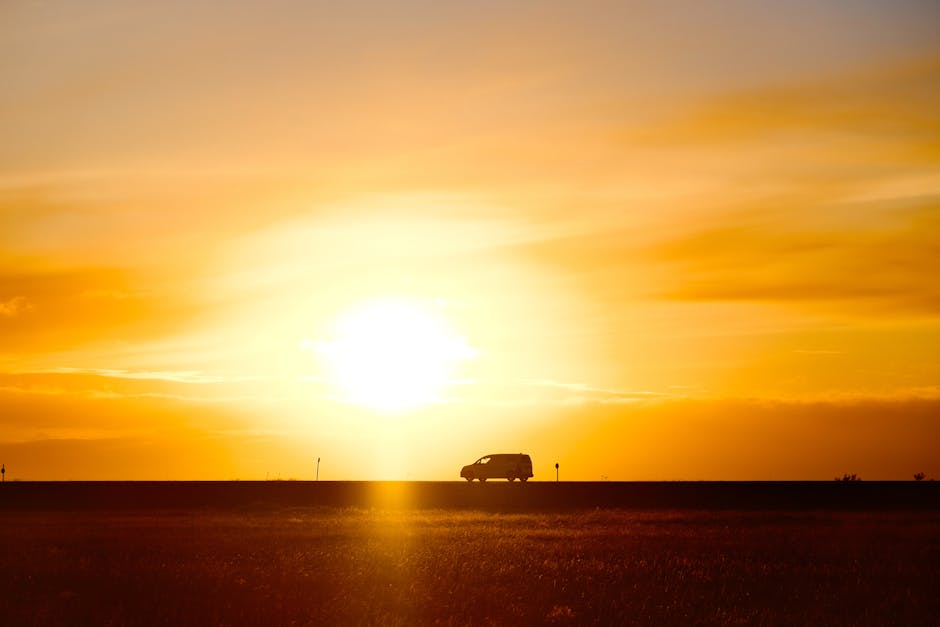
Tasmania fits on a map about the size of Ireland, but the roads refuse to cooperate with that impression. A route that looks like 90 minutes on Google Maps regularly takes two hours once curves, wildlife crossings, and genuinely unmissable stops are factored in. Plan for that reality from the start.
Four Main Circuits: How They Actually Compare
Most visitors land in Hobart with between 7 and 14 days available. The question is not what to see — that list is long — it is which circuit fits the available time and tolerance for driving. Here is the honest breakdown:
| Circuit | Total Distance | Minimum Days | Road Difficulty | Best For |
|---|---|---|---|---|
| East Coast Loop | ~500km from Hobart | 4–5 | Easy (sealed roads) | First-timers, couples |
| Tasman Peninsula Loop | ~200km return | 1–2 | Easy | Short trips, history |
| West Coast Circuit | ~600km from Hobart | 4–5 | Moderate to Hard | Adventure seekers |
| Full Island Loop | ~1,200km | 10–14 | Mixed | Thorough travelers |
Two practical flags before committing: Tasmania’s petrol stations thin out dramatically outside Hobart and Launceston. Fill up whenever the gauge drops below half. Mobile coverage also disappears across large stretches — download offline maps through Google Maps or Maps.me before leaving any city.
Renting a Car vs. a Campervan
Standard car hire through Europcar or Hertz in Hobart runs roughly AUD $65–110 per day for a compact. A campervan through Apollo Campervans or Britz starts at AUD $150–230 per day but eliminates nightly accommodation costs for anyone comfortable sleeping in a vehicle. For two people sharing expenses, campervans often end up cheaper across a 10-day trip. Solo travelers are almost always better off with a standard car and budget accommodation.
One consistent pattern worth knowing: avoid the cheapest one-way hire deals. Returning the vehicle to the same pickup location — Hobart to Hobart, or Launceston to Launceston — almost always unlocks better daily rates and avoids drop-off fees that quietly add AUD $100–200 to the final bill.
Which City Makes the Better Starting Point
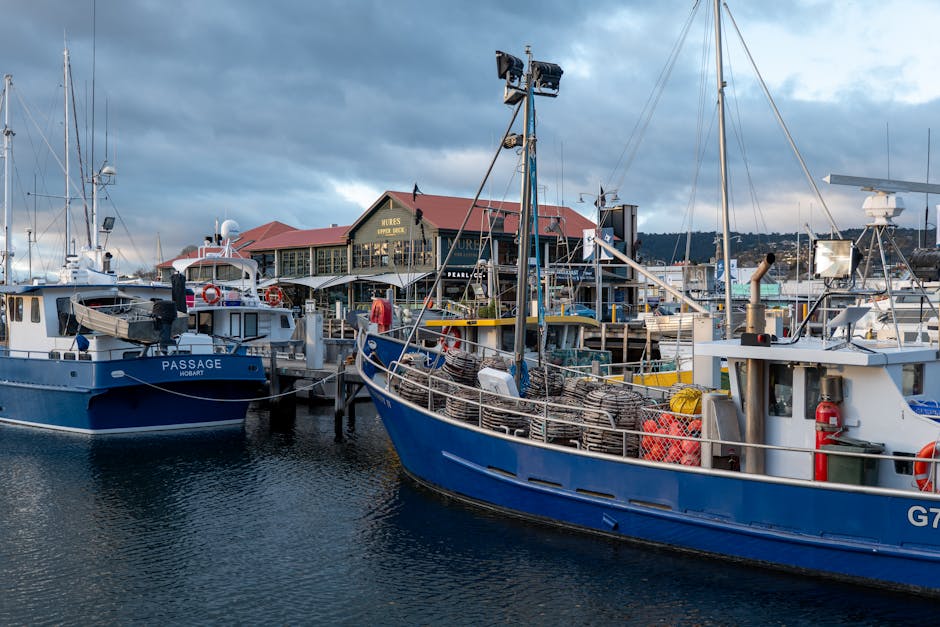
Hobart gives faster access to the East Coast, Tasman Peninsula, and the Huon Valley south of the city. Launceston places drivers closer to Cradle Mountain and the Bay of Fires. Most budget airline routes into Tasmania land at Hobart Airport, making it the default starting point for most visitors. If the West Coast and Cradle Mountain are the primary goals, starting in Launceston and working southward saves meaningful backtracking time.
The East Coast: The Route That Earns Its Reputation
The East Coast is the most logical first road trip for anyone visiting Tasmania. It has the most forgiving road conditions, the widest spread of accommodation options across all price points, and delivers three genuinely distinct landscapes — coastal granite, calm bays, and eucalyptus-lined inland sections — within 500 kilometers.
The standard route runs Hobart to Richmond, then north through Orford and Bicheno to Freycinet National Park and Coles Bay, continuing to St Helens and the Bay of Fires before finishing in Launceston. Four nights is the minimum. Five nights is better, particularly if Freycinet gets a full day.
Freycinet National Park and the Wineglass Bay Reality Check
Entry to Freycinet costs AUD $22 per vehicle per day as of 2026. The Wineglass Bay Lookout walk is 2.6km return and takes about 1.5 hours at a relaxed pace. The full Wineglass Bay Circuit — which descends to the beach itself and loops back — is 11km and takes 4–5 hours.
The most common mistake on this route: reaching the lookout, taking the photograph, and leaving. The beach is the experience. The lookout is the preview. Anyone who only walks to the lookout has done roughly 30% of what this park offers. Build in the time for the full circuit.
Accommodation in the Coles Bay area ranges from premium lodge stays inside the park boundary to holiday park sites in the village. For December and January arrivals, the higher-end options need to be booked at least 6 months ahead — availability disappears by October most years, and it is not an exaggeration.
Bay of Fires: More Than One Beach
The Bay of Fires is a 30km stretch of coastline known for orange lichen on granite boulders and water that photographs almost improbably blue. Binalong Bay, about 15 minutes from St Helens, is the main entry point. There is no formal park entrance fee.
The key detail most visitors miss: it is not a single beach. Ansons Bay Road runs the length of the area and connects a series of access points, each with a different character. Driving the full road rather than stopping at the first pullout is a meaningful difference to the overall experience.
St Helens is the last properly stocked town before the northern coast. Fill the fuel tank and buy groceries here — options thin out significantly beyond this point.
Bicheno: A Legitimate Stop, Not Just a Midpoint
Bicheno sits roughly halfway up the East Coast and tends to be treated as a fuel and lunch break. That undersells it. Bicheno Penguin Tours runs guided evening walks to watch Little Penguins return to their coastal burrows — AUD $30 adult, AUD $15 child. These are wild penguins in their actual habitat, not a managed park attraction. Worth adding a night to the schedule specifically for this.
The West Coast: Go All In or Skip It
Half-committing to the West Coast is the single most common route mistake in Tasmania. The road between Queenstown and Strahan is one of the most visually striking drives in Australia — mountains stained orange, green, and purple from decades of mineral exposure and historical copper smelting. But it is 80 kilometers of winding two-lane highway through an area with zero phone coverage and very limited fuel. Treating it as a rushed day side-trip from Hobart misses the point entirely.
Strahan is the access point for Gordon River cruises. Gordon River Cruises runs full-day journeys into the Tasmanian Wilderness World Heritage Area at AUD $120–200 per adult depending on the season and deck level booked. The Huon Pine trees lining the riverbanks are documented at over 2,000 years old in some cases. That is not marketing language — it is accurate dendrology.
Queenstown itself is one of the more unusual-looking settlements in Australia. The surrounding hills are essentially barren — decades of sulfur dioxide emissions from smelting suppressed vegetation across the landscape. The result is a color palette that looks closer to Iceland than southern Australia, and genuinely worth stopping to walk around rather than treating as a fuel point.
Cradle Mountain: The West Coast Anchor
Cradle Mountain sits at the northern end of Cradle Mountain-Lake St Clair National Park. Entry requires a Tourist Road Pass at AUD $22 per vehicle per day. During peak summer months, private vehicles are restricted on the main park road and free shuttle buses operate instead — this is not optional and affects arrival timing planning.
The Dove Lake Circuit is 6km and takes 2–3 hours at a moderate pace. It delivers the classic reflected mountain view and passes through ancient pencil pine forest. Longer routes, including the Marion’s Lookout extension, add elevation and considerably more rewarding views for anyone with the fitness and time.
Peppers Cradle Mountain Lodge is the premium accommodation option at AUD $450–900 per night, situated directly in the forest adjacent to the park boundary. Discovery Parks at Cradle Mountain runs powered campervan sites and budget cabins at significantly lower rates. Demand at both is high from October through April — booking well ahead is not optional at this location.
What a 10-Day Tasmania Road Trip Actually Costs
The figures below assume two adults sharing all costs, using a standard hire car rather than a campervan, and mixing budget and mid-range accommodation across the trip. All prices reflect 2026 averages.
| Expense Category | Estimated Total (AUD) | Notes |
|---|---|---|
| Car hire (10 days) | $700–$900 | Compact car, Hobart pickup and drop-off, Europcar or Hertz |
| Fuel | $180–$250 | Approximately 1,200km total; Tasmania fuel prices run 10–20c/L above the national average |
| Accommodation (9 nights) | $900–$1,400 | Mix of $90–$160 per night options; excludes premium lodge stays |
| National park passes | $60–$90 | Freycinet plus Cradle Mountain at minimum |
| Gordon River Cruise (optional) | $240–$400 | Two adults, standard deck booking |
| Food and groceries | $400–$600 | Self-catering breakfast and lunch; restaurant dinners in larger towns |
| Activities | $150–$250 | Port Arthur adult entry AUD $45; Bicheno Penguin Tours AUD $30 per person |
| Total per couple | $2,630–$3,890 | Before flights |
The biggest cost variable is accommodation. Holiday parks and budget options in Hobart and Launceston push the per-night average toward AUD $60–80 per couple. Choosing waterfront boutique hotels like MACq 01 Hotel on Sullivan’s Cove in Hobart at AUD $280–400 per night, or equivalent premium options at key stops, drives the total considerably higher. The budget figures above assume neither extreme.
The Driving Assumption That Wrecks Otherwise Good Trips
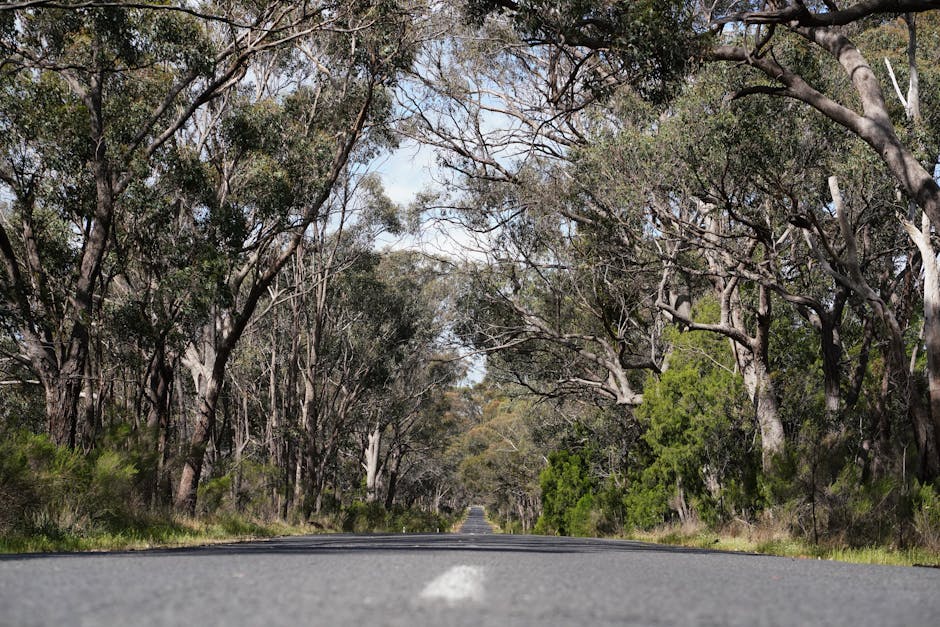
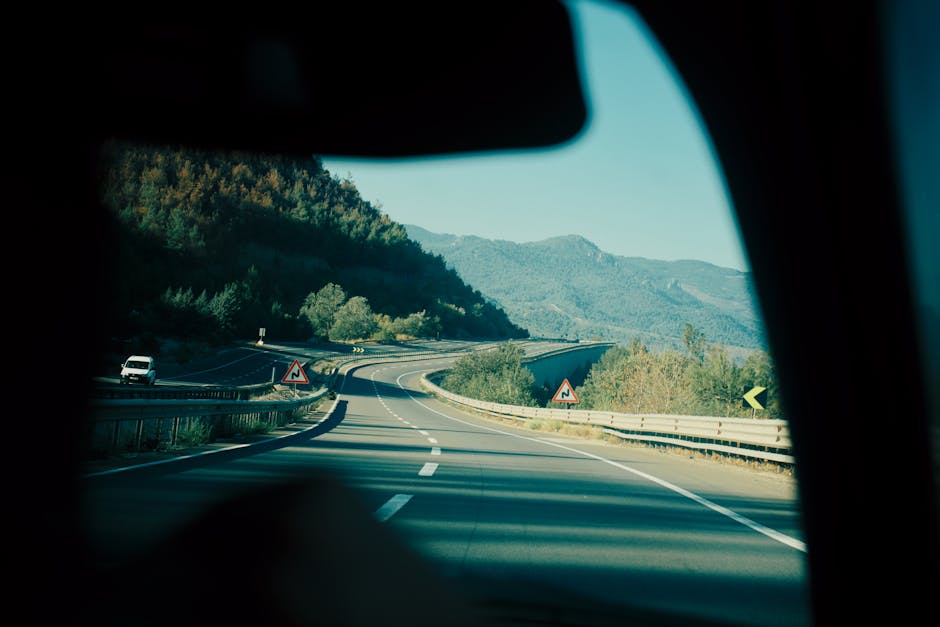
Tasmania’s roads look short on a map. They are not short to drive. The secondary roads connecting most scenic areas average 60–80km/h with constant curves and active wildlife crossing hazards — particularly at dawn and dusk, when wallabies and wombats move in large numbers. Budget 30% more driving time than any mapping application suggests. Travelers who underestimate this arrive at locations too tired or rushed to actually engage with them, which is a specific and avoidable way to waste an expensive trip.
When Each Route Works Best by Season
| Season | East Coast | West Coast | Cradle Mountain | Verdict |
|---|---|---|---|---|
| Summer (Dec–Feb) | Excellent — long days, calm conditions | Good but crowded around Strahan | Best walking conditions, very busy | Peak season: book 6+ months ahead |
| Autumn (Mar–May) | Very good — quieter roads, still warm | Good — fewer visitors, stable roads | Lower crowds, colder nights above 900m | Best balance of weather and accommodation cost |
| Winter (Jun–Aug) | Manageable — some cold rain | Difficult — high rainfall, some road closures possible | Snow at summit level, dramatic but cold | Experienced travelers only; check road conditions before committing |
| Spring (Sep–Nov) | Good — wildflowers, variable weather | Improving — roads reopen, still unpredictable | Variable — late snow possible through September | Good value if booked ahead for the spring surge |
March and April are the practical sweet spot for most visitors. Accommodation drops below peak summer pricing, roads are clear, and East Coast temperatures still reach 18–22°C most days. The West Coast operates on its own weather pattern regardless of season — the Franklin-Gordon Wild Rivers region generates rain independently of the rest of the island, and a waterproof layer is non-negotiable at any time of year.
The Booking Window That Determines the Whole Trip
For any visit between December and February, accommodation needs to be confirmed at least 5–6 months ahead. This applies specifically to the Coles Bay area near Freycinet, the Cradle Mountain precinct, and Strahan. These are small towns with finite beds — not large resort areas with overflow capacity. Leaving accommodation searches until two or three months before travel in peak season typically means either significant overpaying for last-minute availability or restructuring the entire itinerary around what remains.
Port Arthur Historic Site is the easiest component to leave flexible. At AUD $45 per adult for entry — which includes a guided harbor cruise and full access to the ruins and museum — it functions cleanly as a day trip from Hobart and requires no overnight accommodation booking in the area. Arriving before 10am avoids the bulk of coach tour groups that pull in mid-morning and can make the central areas feel crowded for a couple of hours. Small timing adjustment, meaningful difference in experience.
Tasmania’s road trip infrastructure continues to expand — the Mona Ferry service on Hobart’s waterfront and the growing east coast cycling trail network suggest the island is actively investing in how visitors move through it, not just trading on scenery that was always going to draw people regardless.