The air changes. You feel it first on your skin. That crisp autumn breeze might feel refreshing, but it often brings a hidden challenge for your complexion. The shift from humid summer to cooler, drier autumn air can disrupt your skin barrier. Ignoring these seasonal changes often leads to dryness, irritation, and breakouts. Adapting your skincare routine now prevents these common issues. It ensures your skin stays healthy and resilient throughout the colder months.
Why Autumn Demands a Skincare Shift
As summer fades, so does the ambient humidity. This environmental change directly impacts your skin. The air holds less moisture, drawing it away from your skin’s surface. This leads to increased transepidermal water loss (TEWL). Your skin can become drier, tighter, and more sensitive. It’s not just about comfort. This dryness compromises your skin barrier, making it less effective at protecting against irritants and pathogens. Understanding this fundamental shift is the first step to a successful autumn skincare routine.
The Impact of Humidity Drop
Summer offers a natural humidity buffer. Your skin readily absorbs moisture from the air, helping it stay plump and hydrated. When humidity levels drop in autumn, this effect reverses. The dry air acts like a sponge, pulling water out of your skin. This process accelerates, especially if you spend time indoors with heating systems. These systems further deplete moisture from the air. The result is often dull, flaky skin that feels rough to the touch. This isn’t just a cosmetic problem. Chronic dryness can lead to microscopic cracks in the skin barrier, inviting inflammation and sensitivity.
Understanding Transesepidermal Water Loss (TEWL)
TEWL refers to the natural process where water evaporates from your skin into the atmosphere. This is a constant occurrence. However, certain factors increase its rate. Low humidity is a primary driver. A damaged skin barrier also contributes significantly. When your skin barrier is healthy, its lipid matrix (made of ceramides, cholesterol, and fatty acids) forms a tight seal. This seal minimizes water loss. When the barrier is compromised by dry air, harsh products, or environmental stress, this seal weakens. Water escapes more easily. This vicious cycle of dryness and barrier damage needs proactive intervention. Using humectants and occlusives helps mitigate TEWL by drawing moisture in and then sealing it there.
Over-Exfoliation: A Common Autumn Pitfall
Many people maintain their summer exfoliation routine well into autumn. This is a mistake. While exfoliation is crucial for cell turnover, overdoing it in drier conditions strips the skin’s natural oils. This further compromises your already vulnerable skin barrier. Think of it like scrubbing a delicate surface. You need to be gentler when the surface is already stressed. Reducing the frequency and strength of your exfoliants is a non-negotiable step for autumn skincare. Your skin needs time to rebuild and strengthen its natural defenses, not be constantly challenged.
Reducing AHA/BHA Frequency
Alpha Hydroxy Acids (AHAs) and Beta Hydroxy Acids (BHAs) are powerful exfoliants. In summer, they help with sun damage and oil control. In autumn, their drying effects become more pronounced. For instance, if you use a Paula’s Choice 2% BHA Liquid Exfoliant daily, consider switching to every other day, or even two to three times a week. The goal is to allow your skin’s natural barrier to repair itself. Listen to your skin. If you notice redness, flakiness, or increased sensitivity, reduce usage immediately. Some might need to pause chemical exfoliation entirely for a few weeks to let the skin recover.
Choosing Gentle Alternatives
When you reduce strong chemical exfoliants, you don’t have to abandon exfoliation entirely. Opt for gentler methods. Enzyme cleansers, which use fruit enzymes like papain or bromelain, offer a milder exfoliation. They dissolve dead skin cells without stripping the skin. Another option is a very mild PHA (Polyhydroxy Acid) product. PHAs, such as gluconolactone or lactobionic acid, have larger molecular structures. This means they penetrate the skin more slowly and are less irritating than AHAs or BHAs. They also offer some humectant properties, drawing moisture into the skin. Consider a hydrating toner with a low concentration of PHA if you feel the need for light exfoliation.
The Hydration Imperative: Layering for Lasting Moisture
In autumn, single-step moisturizing often isn’t enough. The drier air demands a multi-layered approach to hydration. This strategy ensures moisture is both drawn into the skin and then effectively sealed in. Think of it as building a protective shield against the elements. Each layer plays a specific role, from binding water to preventing its escape. This method maximizes hydration, keeping your skin supple and comfortable even in harsh conditions. It’s about creating a robust, resilient barrier.
Humectants First
Humectants are ingredients that attract water from the air and deeper layers of the skin. They are your first line of defense against autumn dryness. Apply these to damp skin immediately after cleansing. This traps the residual water, enhancing their efficacy. Look for products rich in hyaluronic acid, glycerin, or polyglutamic acid. For example, a serum like The Ordinary Hyaluronic Acid 2% + B5 can be applied generously. Follow with a hydrating toner or essence before your main moisturizer. This initial layer acts like a magnet for moisture, ensuring your skin cells are properly saturated before you seal everything in.
Embracing Occlusives
Once you’ve applied humectants, you need to lock that moisture in. This is where occlusives come in. These ingredients form a protective barrier on the skin’s surface, preventing water from evaporating (reducing TEWL). Common occlusives include petrolatum, mineral oil, lanolin, and silicones like dimethicone. Plant-derived options like squalane oil, shea butter, and cocoa butter also function as occlusives. Apply a rich moisturizer containing occlusive ingredients as your final step. For very dry skin, consider adding a few drops of a pure facial oil, such as squalane, over your moisturizer. Products like CeraVe Moisturizing Cream or La Roche-Posay Cicaplast Baume B5 are excellent choices for their occlusive properties, forming a robust seal that protects your skin all day or night.
Retinoids in Cooler Weather: Adjusting Your Strategy
Retinoids are powerful for cell turnover and collagen production. But they can also increase skin sensitivity and dryness. This effect is amplified in the drier, cooler air of autumn. You do not need to stop using retinoids. Instead, you must adjust how you use them. Proceeding with your summer retinoid routine without modification can lead to irritation, redness, and a compromised skin barrier. The key is moderation and strategic application, not abandonment. Your skin needs a gentler touch during this transition period.
Buffer with Moisturizer
One of the most effective ways to mitigate retinoid irritation in autumn is the “sandwich method.” Apply a thin layer of a gentle, hydrating moisturizer first. Wait a few minutes for it to absorb. Then, apply your retinoid product. Follow up with another layer of moisturizer. This buffers the retinoid, slowing its absorption and reducing direct contact with the skin’s surface. It allows you to continue benefiting from retinoids without exacerbating dryness. Look for non-comedogenic moisturizers rich in ceramides or hyaluronic acid, such as Vanicream Daily Facial Moisturizer.
Monitor for Irritation
Even with buffering, it’s crucial to pay close attention to your skin’s signals. If you notice increased redness, peeling, burning, or tightness after using your retinoid, it’s a clear sign of irritation. Reduce the frequency of application. If you were using it every night, switch to every other night. If you were using it every other night, reduce to two or three times a week. You might also consider temporarily switching to a lower-strength retinoid or taking a short break altogether until your skin barrier feels more robust. Autumn is a time for gentle care, not aggressive treatments. Prioritize barrier health above all else.
Common Autumn Skincare Questions Answered
The seasonal shift brings new challenges and questions about skincare. People often wonder which products to swap or if their entire routine needs an overhaul. These are valid concerns, especially when trying to prevent dryness and maintain skin health. Here are answers to some of the most frequently asked questions regarding autumn skincare adjustments.
Should I change my cleanser?
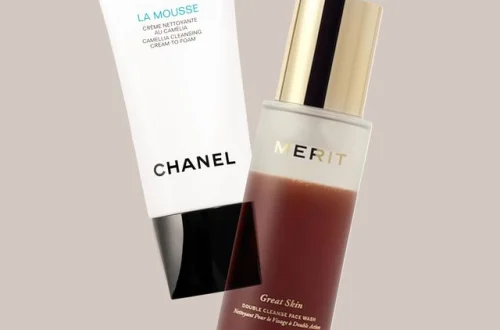
Yes, often. Your summer cleanser, which might have been a foaming or gel-based formula to combat oiliness, can be too stripping in autumn. Dry air amplifies the dehydrating effects of harsh surfactants. Switch to a cream, balm, or oil cleanser. These formulations are gentler and help preserve your skin’s natural moisture barrier. They clean effectively without stripping away essential lipids. A milky cleanser, for example, removes impurities while leaving skin feeling soft and hydrated, not tight or dry.
What about facial oils?
Autumn is the ideal time to incorporate facial oils. They provide an extra layer of nourishment and act as occlusives, sealing in moisture. Apply facial oils as the last step in your evening routine, after your moisturizer. This creates a protective barrier that prevents transepidermal water loss overnight. Look for oils like squalane, rosehip, jojoba, or argan oil. Each offers unique benefits, from soothing to antioxidant protection. They can dramatically improve skin comfort and glow in drier conditions.
Is daily exfoliation still okay?
Generally, no. As discussed earlier, daily exfoliation, especially with strong chemical or physical exfoliants, is often too aggressive for autumn skin. The drier environment makes your skin more susceptible to irritation and barrier damage. Reduce the frequency of exfoliation to two to three times a week at most. If your skin is particularly sensitive or dry, consider even less frequent exfoliation or opt for very mild enzymatic options. The goal is to support your skin barrier, not challenge it.
Switching to Richer Moisturizers: What to Look For
The light lotions that worked well in summer will likely fall short in autumn. Cooler, drier air demands more substantial hydration. This means upgrading to richer moisturizers. Not all “rich” moisturizers are created equal. Focus on specific ingredients and formulations that actively repair your skin barrier and provide lasting moisture, rather than just superficial comfort. A well-chosen moisturizer is your primary defense against autumn dryness.
Ingredients for Barrier Repair
When selecting an autumn moisturizer, prioritize ingredients that directly support and replenish your skin barrier. Ceramides are non-negotiable. They are the lipids that form the glue between your skin cells, preventing water loss. Cholesterol and fatty acids also play crucial roles in barrier function. Look for formulations that contain a balanced ratio of these key lipids. Niacinamide is another excellent addition, known for its anti-inflammatory properties and ability to improve barrier function. Glycerin and hyaluronic acid remain important as humectants, drawing moisture into the skin. A moisturizer like SkinCeuticals Triple Lipid Restore 2:4:2 specifically targets barrier repair with its optimized lipid ratio, making it an excellent autumn choice.
Balm vs. Cream Formulations
The texture of your moisturizer matters. Creams are generally thicker than lotions, offering more emollients and occlusives. They are a good starting point for autumn. However, for truly dry or compromised skin, balms provide an even more protective layer. Balms typically have a higher oil content and fewer humectants, making them exceptional occlusives. They create a more substantial barrier against moisture loss. While a rich cream, such as Augustinus Bader The Rich Cream, can be sufficient for many, a balm might be necessary for those experiencing extreme dryness, windburn, or irritation. Balms are particularly effective for overnight use, creating a ‘slugging’ effect that locks in moisture during sleep.
The Final Layer: Protecting Lips and Hands
Often overlooked, your lips and hands are among the first areas to show signs of autumn dryness. They are constantly exposed to the elements and frequent washing. Ignoring them can lead to painful chapping, cracking, and rough patches. Treating these areas as an extension of your facial skincare routine is crucial. A targeted approach ensures these vulnerable spots remain soft, smooth, and protected throughout the season. Don’t let these details undermine your overall skincare efforts.
Lip Care Essentials
Your lips lack sebaceous glands, making them highly susceptible to dryness. Use a rich, occlusive lip balm regularly. Apply it before bed, after eating, and before going outdoors. Look for ingredients like petrolatum, lanolin, shea butter, or beeswax. Avoid lip products with menthol or camphor, which can be irritating and drying. A gentle lip exfoliant once a week can help remove flakes, but don’t overdo it. Immediately follow exfoliation with a thick layer of balm. Products like Aquaphor Healing Ointment work wonders for severely chapped lips.
Hand Cream Recommendations
Frequent hand washing, especially with harsh soaps, strips the skin of its natural oils. This is compounded by cold, dry air. Keep a rich hand cream by every sink and in your bag. Apply it after every wash. Look for creams with ceramides, glycerin, and dimethicone to provide both hydration and a protective barrier. Fragrance-free options are best, as fragrances can be irritating to already compromised skin. Some effective hand creams include Neutrogena Norwegian Formula Hand Cream and L’Occitane Shea Butter Hand Cream. For extreme dryness or cracking, consider an overnight treatment. Apply a thick layer of cream and wear cotton gloves to bed. This allows the product to deeply penetrate and repair your skin while you sleep.
Autumn Skincare Summary: Key Shifts
| Skincare Aspect | Summer Approach | Autumn Adjustment |
|---|---|---|
| Cleanser | Foaming, gel (oil control) | Cream, balm, oil (gentle, hydrating) |
| Exfoliation | Frequent AHA/BHA | Reduced frequency, milder options (PHA, enzymes) |
| Moisturizer | Light lotions, gels | Richer creams, balms (ceramides, occlusives) |
| Serums | Vitamin C (antioxidant) | Hyaluronic Acid, Squalane (hydration, barrier) |
| Retinoids | Regular use | Reduced frequency, sandwich method, monitor skin |
| SPF | Daily, high protection | Daily, slightly richer formula (still high SPF) |
| Extras | Minimal | Lip balm, hand cream, facial oils (regularly) |