

Planning international travel from Dundrum involves more than just flights and accommodation. Your health is . Getting the right travel vaccines is a critical first step for any trip outside of Western Europe or North America. It protects you, and often, it’s a non-negotiable entry requirement for many countries. Don’t leave it to chance.
Always Book a Full Pre-Travel Consultation. Skipping This Is a Mistake.
Many travelers try to self-diagnose their vaccine needs using online lists. This approach is flawed. Every trip, and every traveler, is unique. A generic checklist cannot account for your specific medical history, the exact regions you’ll visit, or the latest global health advisories. A proper consultation assesses your individual risk profile. It ensures you receive precisely what you need, nothing more, nothing less. This personalized advice prevents unnecessary vaccinations and ensures you aren’t missing crucial protection.
Ignoring expert advice can lead to serious health issues abroad. It can also cause unexpected entry denials if you lack a required vaccine certificate, like for Yellow Fever. Your doctor or a travel health nurse considers your age, existing health conditions, planned activities, and the duration of your trip. They factor in whether you’ll be staying in urban hotels or trekking through rural areas. This level of detail is impossible to replicate with a quick internet search. Invest in the consultation. It’s the safest path.
Personalised Risk Assessment: Beyond Online Checklists
Online resources provide general guidance, but they lack the depth of a professional assessment. For example, a country might have a low overall risk for Yellow Fever, but if your itinerary includes a specific endemic zone or volunteer work, your risk spikes. A travel health expert will pinpoint these nuances. They check for vaccine interactions with your current medications or pre-existing conditions. For immune-compromised individuals or pregnant travelers, specific vaccines may be contraindicated or require alternative schedules. This personalized approach mitigates risks that blanket advice misses. It means understanding if you need a single dose of Hepatitis A, or a full course of Rabies shots given your interaction with wildlife.
Understanding Vaccine Efficacy and Timing
Vaccines don’t offer immediate protection. Many require multiple doses spread over weeks or months to be fully effective. Some take 10-14 days post-injection for your immune system to build sufficient antibodies. For example, a Typhoid vaccine can take up to two weeks to provide protection. If you’re traveling to a high-risk area for Hepatitis B, a multi-dose course over six months offers the best protection, though accelerated schedules exist. A consultation helps plan this timeline effectively, ensuring you complete necessary courses well before departure. Ideally, book your consultation 6-8 weeks before you travel. For complex itineraries or specific vaccines like Japanese Encephalitis, even earlier is better.
Comparing Travel Vaccine Providers in and Around Dundrum
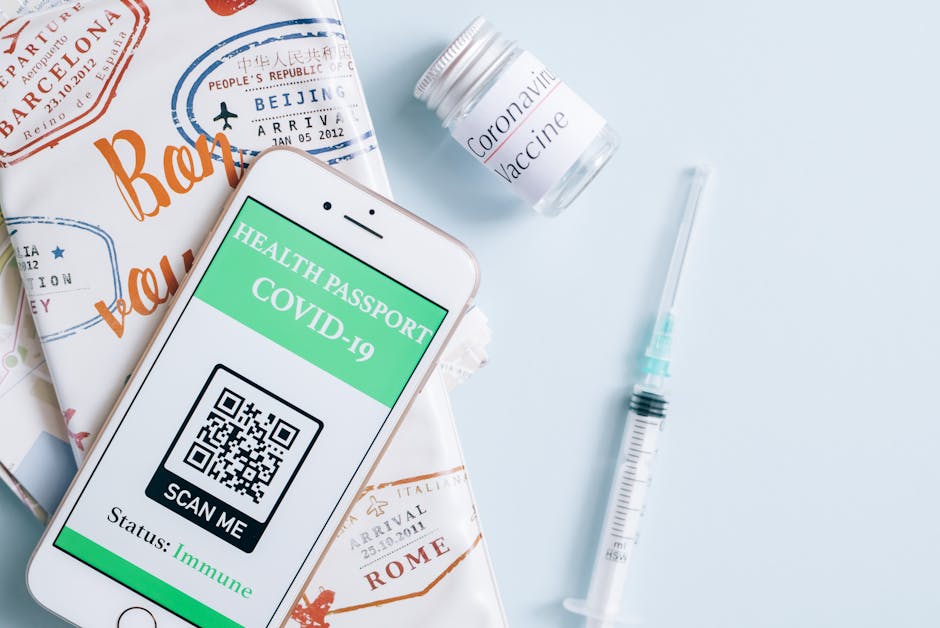
Dundrum residents have several excellent options for travel vaccines. The choice often comes down to convenience, specific service needs, and cost. General practitioners (GPs) can administer common vaccines. However, specialist travel clinics offer a more comprehensive service, including less common vaccines and detailed destination-specific advice. We’ve assessed key providers accessible from the Dundrum area.
| Provider Name | Service Type | Key Offerings | Consultation Fee (Est. 2026) | Vaccine Costs (Est. per dose) | Key Benefit |
|---|---|---|---|---|---|
| Tropical Medical Bureau (TMB) Blackrock | Specialist Travel Clinic | Full pre-travel consultations, all travel vaccines (incl. Yellow Fever, Rabies), malaria tablets, fit-to-fly letters, corporate travel health. Highly experienced staff. | €60 – €80 | €45 – €120+ (per vaccine) | Most comprehensive specialist advice and full range of vaccines. |
| Healthwave Stillorgan | Pharmacy Travel Clinic | Pre-travel assessments, common travel vaccines (e.g., Hepatitis A, Typhoid, Tdap), flu vaccines. Convenient, often faster appointments. | €25 – €40 (Nurse consult) | €35 – €90 (per vaccine) | Convenient, often quicker and more affordable for routine vaccines. |
| Local GP Clinics (e.g., Dundrum Medical Centre) | General Practice | Common vaccines (e.g., Tdap, Hepatitis A, sometimes Typhoid). Familiarity with patient history. | Standard GP visit fee (€50 – €70) | Varies; some vaccines covered by medical card/reimbursement. | Personalised care from your usual doctor, good for basic needs. |
The Tropical Medical Bureau (TMB) Blackrock clinic is a strong recommendation for complex itineraries or first-time international travelers. Their consultants are highly specialized. They handle everything from routine shots to obscure vaccine requirements for remote areas. While their consultation fee is higher, the depth of expertise can be invaluable. They also stock a wider range of less common vaccines on-site.
For travelers needing more routine vaccines like Hepatitis A or Typhoid, Healthwave Stillorgan offers a streamlined, cost-effective service. Their pharmacists and nurses are trained in travel health. It’s an excellent option for those with straightforward travel plans. They are located very close to Dundrum, making access easy. Prices for specific vaccines are often competitive.
Comparing TMB Blackrock and Healthwave Stillorgan
TMB Blackrock provides a deeper dive into travel risk assessment. Their comprehensive approach includes advice on insect bite prevention, food and water safety, and altitude sickness for trekkers. If you’re embarking on a multi-country trip or traveling with young children, TMB’s detailed guidance is a significant advantage. They also hold a designation for administering Yellow Fever vaccines, a legal requirement for entry to many countries. This certificate is crucial for verification.
Healthwave Stillorgan shines for its accessibility and efficiency. For individuals who know their basic vaccine needs or have received travel vaccines before, it’s a quick way to get boosters or common initial doses. The consultation process is typically shorter, and appointment availability can be better, especially for last-minute needs. They are ideal for trips to popular destinations where standard vaccines are sufficient, avoiding the higher overhead of a full specialist clinic.
The Role of Your Local GP for Travel Vaccines
Your own GP clinic in Dundrum can be a convenient starting point. Many GPs can administer common travel vaccines like Tetanus, Diphtheria, Polio (Tdap), and Hepatitis A. They have your full medical history on file, which simplifies risk assessment. However, not all GP practices are equipped for complex travel health advice or stock all necessary vaccines like Yellow Fever or Rabies. Always call your GP first to confirm their travel vaccine services and what they can offer. For a more extensive list of required vaccines, they may refer you to a specialist clinic like TMB.
Book Early. Last-Minute Vaccine Appointments Complicate Travel Plans.
This is critical. Do not wait until the week before your departure. Many vaccines require time to become effective, and some need multiple doses over several weeks. Booking at least 6-8 weeks out ensures you get the full protection you need without rushing.
Common Travel Vaccines for Irish Travellers and What They Cover

Understanding which vaccines you might need is crucial. The requirements vary significantly based on your destination, planned activities, and duration of stay. Here’s a breakdown of the most commonly recommended travel vaccines for Irish residents heading abroad.
Core Vaccinations for Any International Trip
Even if you’re not going to a ‘high-risk’ destination, some vaccines are strongly advised for broader protection.
- Hepatitis A: This vaccine protects against a viral infection of the liver, often contracted through contaminated food or water. It’s prevalent in many parts of the world, including developing countries in Africa, Asia, and Central/South America. A single dose offers protection for up to a year, with a booster dose extending protection for decades. Nearly every traveler outside of highly developed regions should consider this.
- Typhoid: Caused by bacteria, Typhoid fever spreads through contaminated food and water. It’s common in regions with poor sanitation, particularly in South Asia, Africa, and parts of Latin America. There are oral and injectable versions. The injectable vaccine usually requires one dose, offering protection for about three years. The oral vaccine involves three or four capsules over a week.
- Tetanus, Diphtheria, Polio (Tdap): While part of routine childhood immunizations in Ireland, boosters are essential. Tetanus protects against a bacterial infection causing muscle spasms, often from contaminated wounds. Diphtheria is a serious bacterial infection affecting the throat and heart. Polio, though largely eradicated in many countries, still circulates in some regions, posing a risk of paralysis. A single booster dose is typically effective for ten years. Check your last booster date.
- Measles, Mumps, Rubella (MMR): Ensure your MMR vaccination is up-to-date. Outbreaks of measles, a highly contagious viral disease, still occur globally. Two doses provide excellent protection. Many adults might only have had one dose or none, especially those born before 1978. Confirm your status before travel.
Advanced Protection for High-Risk Destinations
For more adventurous travel or specific regions, additional vaccines become necessary.
- Yellow Fever: This is a mosquito-borne viral disease prevalent in parts of Africa and South America. A single dose provides lifelong protection, and a certificate of vaccination is a legal entry requirement for many countries in these regions. Without it, you could be denied entry or quarantined. TMB is an accredited centre for this specific vaccine.
- Rabies: A fatal viral disease transmitted through the bite or scratch of an infected animal, most commonly dogs, bats, and monkeys. The pre-exposure vaccination is a course of three injections. It’s recommended for long-term travelers, those working with animals, or anyone visiting remote areas where medical care is sparse. While it doesn’t eliminate the need for post-exposure treatment, it simplifies it considerably and offers a critical window of protection.
- Japanese Encephalitis (JE): This mosquito-borne viral infection can cause severe brain inflammation. It’s found in rural agricultural areas of Asia, particularly during monsoon seasons. The vaccine is typically a two-dose course. It’s recommended for travelers spending extended periods (e.g., over a month) in endemic rural areas, especially during transmission seasons.
- Meningococcal Meningitis: Protects against bacterial meningitis, which can be life-threatening. The vaccine is often required for pilgrims traveling to Saudi Arabia for Hajj or Umrah. It may also be recommended for travelers to parts of Africa (the ‘meningitis belt’) during dry seasons, or for those living in close quarters like student dorms.
Practical Tips for Your Travel Vaccine Appointment
Preparing for your consultation can make the process smoother and more effective. Be proactive with information and questions.
- Bring Your Complete Itinerary: Provide exact dates, destinations, and details of activities. This includes specific cities, rural areas, any planned hiking, camping, or volunteering. The more specific you are, the better the advice. Knowing you’re staying in a five-star hotel versus a rural homestay drastically changes risk assessment.
- Gather Your Vaccination History: Dig out your childhood vaccination records or any previous travel vaccine certificates. This prevents unnecessary repeat vaccinations and helps the clinician build an accurate picture of your immune status. If you don’t have records, some clinics can perform blood tests to check antibody levels for certain diseases.
- List All Current Medications and Medical Conditions: Include prescription drugs, over-the-counter medicines, herbal supplements, and details of any allergies. Mention chronic conditions, recent surgeries, or if you are pregnant, breastfeeding, or planning to conceive. This information is vital for assessing vaccine suitability and potential interactions.
- Ask About Potential Side Effects: Understand what to expect after your injections. Common side effects include soreness, redness, or swelling at the injection site, mild fever, or fatigue. Knowing these are normal can prevent unnecessary worry. Ask when to seek further medical advice.
- Clarify Dose Schedules and Booster Requirements: Some vaccines require multiple doses spread over weeks or months. Ensure you understand the full schedule and when any boosters are due. If you have a tight travel timeline, discuss accelerated schedules where available. Also, inquire about the duration of protection for each vaccine.
- Inquire About Malaria Prevention: For many tropical destinations, malaria tablets are as crucial as vaccines. Discuss the specific malaria risk for your destination and the various prophylactic options available (e.g., Malarone, Lariam, Doxycycline). Understand their side effects, dosing schedules, and contraindications.
- Check for a Yellow Fever Certificate: If traveling to an endemic area, ensure you receive an official Yellow Fever vaccination certificate. This small yellow booklet is your proof of vaccination and is legally required by many countries. Keep it safe with your passport.
- Understand Post-Vaccine Care: Your clinician will provide advice on immediate post-vaccine care, such as managing injection site pain or fever. They might also offer general health advice for your destination, covering topics like traveler’s diarrhea prevention, sun protection, and safe practices for food and water.